Do you have an emergency?

phone icon Call Us Now +1 (847) 232-4770

Author: [email protected]

Commercial dishwasher

Top 5 Signs Your Commercial Dishwasher Needs Repair Before It Fails

Top 5 Signs Your Commercial Dishwasher Needs Repair Before It Fails

For any foodservice business, from a fast-paced café to a high-volume restaurant, a working commercial dishwasher is essential. In Chicago’s northern suburbs, including Buffalo Grove, Vernon Hills, and Libertyville, commercial kitchens rely on dish machines to meet health code requirements, keep operations smooth, and satisfy customer demand. But how can you tell when your dishwasher needs professional repair before it completely fails?

Waiting until the unit stops working can cost your business time, money, and reputation. Below, we’ll walk you through the top signs your commercial dishwasher needs service and how to prevent unexpected breakdowns with help from trusted local technicians.


1. Water Isn’t Draining Properly

One of the most common service calls we receive involves a commercial dishwasher not draining after the wash cycle. If you’re regularly seeing standing water inside the machine or finding dishes soaked at the end of a cycle, don’t ignore it.

Common Causes:

  • Clogged or dirty filters
  • Blocked or kinked drain hoses
  • Failing drain pumps or solenoids

Not only does this create sanitation risks and unpleasant odors, but it also increases the likelihood of a more serious motor issue. If this sounds familiar, don’t delay. Book a dishwasher inspection to avoid further damage.


2. Dishes Aren’t Getting Clean

Your dishwasher’s primary job is to sanitize and clean. If dishes are coming out greasy, spotty, or coated with food particles or cloudy film, it’s time to act.

What It Could Mean:

  • Spray arms are clogged or damaged
  • Water pressure is too low
  • Wash and rinse temperatures are inconsistent
  • Soap or rinse aid levels are incorrect
  • Internal scaling or mineral buildup

This isn’t just an inconvenience; customers notice, and inspectors do too. A dishwasher producing subpar results can lead to poor reviews or even failed health inspections.


3. Water or Chemical Leaks During Operation

Leaks are among the most ignored but costly issues. Whether water is pooling around your unit or chemical supply tubes are failing, it’s important to take this seriously.

Watch for:

  • Worn door gaskets and seals
  • Loose fittings or cracked tubing
  • Overflowing drain lines
  • Damaged pump connections
  • Broken or clogged chemical supply tubes

One issue that often comes up before or during health inspections is a failure in the chemical feed system. If detergent, sanitizer, or rinse aid isn’t being drawn in because of blocked or broken tubing, you’re at risk of non-compliance.

👉 Our technicians can replace your chemical tubes with a new Tube Kit to restore proper chemical delivery and help you pass inspection with confidence.


4. Unusual Noises, Vibrations, or Smells

When your dishwasher starts sounding different, buzzing, rattling, grinding, or shaking, it’s trying to tell you something’s wrong. Strong burnt smells or chemical odors are also red flags.

Potential Causes:

  • Misaligned or loose internal parts
  • Worn motor or pump bearings
  • Damaged heating elements
  • Debris stuck in moving parts
  • Electrical short or wiring issues

Don’t assume it’s just wear and tear. What starts as an odd sound can quickly escalate to major equipment failure.


5. The Unit Shuts Down Mid-Cycle or Displays Error Codes

If your dishwasher frequently stops mid-cycle, resets itself, or shows cryptic error codes, you’re likely dealing with an internal system issue. These shutdowns may be inconsistent at first, but will usually worsen without service.

Causes May Include:

  • Faulty door switches
  • Temperature sensor malfunctions
  • Control board failures
  • Power supply problems or overheating

Once these electronics fail, repairs may become more expensive or even require a full control board replacement. Diagnosing and resolving early saves time and money.


Why It’s Important to Act Early

Ignoring these signs doesn’t just inconvenience your staff, it can compromise food safety, increase labor costs, and result in inspection violations. Restaurants in the north suburbs of Chicago often call us after an inspector flags an issue that could’ve been addressed earlier.

At Tadam Tech, we help clients avoid emergency downtime with fast, professional service tailored for commercial dish machines.


Common Inspection Fail – No Chemical Feed

Health inspectors regularly check that dish machines are feeding detergent, sanitizer, and rinse aid correctly. If your chemical tubes are clogged, brittle, or disconnected, your dishwasher may still “run,” but it won’t sanitize dishes to the required standards.

We’ve helped numerous local restaurants avoid citations by performing same-day service and replacing chemical tubing systems.

We Fix:

  • No chemical suction or delivery
  • Tubing kits worn or cracked
  • Detergent not dispensing
  • Rinse aid feed is inconsistent
  • Chemical alarms are not working

📞 If your chemical system is unreliable, contact us today to install a new Tubes Kit and avoid costly violations.


Trusted Commercial Dishwasher Repair – North Chicago Suburbs

At Tadam Tech, we specialize in fast, high-quality repairs for Hobart, CMA, Jackson, Champion, and other top brands.

We serve:


Is Your Dishwasher Showing Any of These Signs?

Don’t wait until your machine shuts down mid-lunch rush. Let our expert technicians inspect your system and take care of issues before they turn into expensive emergencies.

👉 Call (224) 478-9456 or book a service online to schedule your inspection today.

Ice cream machine

How Regular Maintenance Can Save You Thousands on Ice Cream Machine Repairs

Commercial ice cream machines are essential for cafes, restaurants, and dessert shops—especially during peak season. But when your machine stops working, it’s more than an inconvenience. It can mean lost revenue, disappointed customers, and expensive emergency repairs.

At Tadam Tech, we repair and maintain ice cream machines across the Greater Chicago Area. But today, we’re not just here to talk about what we do—we’re here to show how proper daily care and scheduled maintenance can save you thousands over the lifetime of your machine.


1. Daily Care Starts with You: What Every Ice Cream Machine Owner Should Be Doing

Most commercial ice cream machines are designed for daily use, but they rely on regular cleaning, inspection, and part replacement by the operator.

Manufacturers like Taylor, Carpigiani, Stoelting, and Electro Freeze clearly state in their manuals:
To keep your machine working properly, you must follow a set maintenance routine, including:

  • Daily cleaning of the mix hopper, dispensing head, and freezing chamber
  • Weekly sanitizing to prevent bacterial buildup and biofilm
  • Periodic replacement of scraper blades, o-rings, seals, and gaskets
  • Proper lubrication of moving parts to reduce friction and extend wear life
  • ✅ Monitoring consistency, texture, and freezing performance

Skipping or rushing these steps leads to breakdowns—and we see it often. Dried mix can clog lines. Lack of lubrication can destroy seals. Ignoring warnings from the control panel? That’s a costly failure waiting to happen.

The good news? Doing your part can prevent most common issues.


2. Why In-House Care Isn’t Always Enough

Even the most diligent operators will reach a point where home maintenance isn’t enough. Here’s why:

  • ❌ Internal refrigerant components (like the condenser or expansion valve) are sealed and require specialized tools
  • ❌ Over time, bacteria or scale can build up inside components you can’t access safely
  • ❌ Electrical and control systems need periodic inspection and testing
  • ❌ Small performance issues (like longer freeze cycles) may go unnoticed until the machine fails entirely

That’s where professional maintenance fills the gap. It’s not a replacement for daily cleaning—it’s the next layer of protection for your investment.


3. The Cost of Waiting: What Breakdowns Really Cost

Let’s break it down:

  • Lost weekend sales during peak season? That’s hundreds, maybe thousands in missed revenue.
  • A failed compressor or drive motor? That’s $1,200–$1,800 in parts and labor.
  • Health department fines for unsanitary conditions? Even more.

And when you factor in emergency service fees, spoiled product, and reputation damage, the real cost of skipping maintenance becomes clear.


4. What Professional Maintenance Includes (and Why It Matters)

Our preventative maintenance service for ice cream machines is designed to do what your daily care can’t. During a visit, we typically:

  • 🔧 Deep-clean internal and refrigerant components
  • 🔧 Inspect and clean condenser coils
  • 🔧 Test pressure, refrigerant levels, and internal sensors
  • 🔧 Calibrate temperature and consistency settings
  • 🔧 Sanitize mix lines and inspect for bacteria or buildup
  • 🔧 Check belts, motors, and electrical systems for signs of wear
  • 🔧 Replace or recommend replacement for worn gaskets, o-rings, or scraper blades

This helps catch small problems early, restore energy efficiency, and extend the working life of your equipment.


5. Maintenance Is an Investment, Not a Cost

Compared to repairs, preventative maintenance is extremely affordable. In most cases:

  • ✅ You avoid breakdowns that cost $1,000+
  • ✅ Your machine runs more efficiently, saving energy
  • ✅ You extend the lifespan of parts like motors and compressors
  • ✅ Your staff spends less time troubleshooting
  • ✅ Your customers get a consistently high-quality product

When your ice cream machine works well, you sell more, waste less, and stress less.


6. Schedule Maintenance Before the Rush

Summer is coming. That means more customers—and more pressure on your machines. Most failures happen during high-volume usage, and service delays during peak season are common.

Spring is the best time to service your equipment, especially if it’s been more than six months since your last check-up.


Conclusion: A Clean, Maintained Machine Is a Profitable Machine

Owning a commercial ice cream machine means more than plugging it in and pressing “start.” It means taking care of it—every day, and every season.

At Tadam Tech, we’re not just repair technicians—we’re your long-term partner in equipment care. Whether you need help with seasonal maintenance, a deep clean, or a diagnostic inspection, our team is here to keep your machine running at its best.

We proudly serve restaurants, dessert shops, schools, and cafés across the Greater Chicago Area, including Schaumburg, Highland Park, Palatine, Lake Forest, and more.

👉 Ready to get ahead of summer?
Explore our Ice Cream Machine Repair & Maintenance Services or call us to schedule your service (224) 478-9456.


FAQs – Ice Cream Machine Maintenance

Q1: Can daily cleaning prevent all problems?
Daily cleaning is essential, but not enough. Internal parts, sensors, and refrigerant systems require professional attention at least twice a year.

Q2: How often should I replace gaskets or scraper blades?
It depends on usage, but most manufacturers recommend replacing blades and gaskets every 3–6 months.

Q3: What brands do you service?
We work with all major brands including Taylor, Carpigiani, Electro Freeze, Stoelting, Donper, and others.

Q4: What happens during a professional maintenance visit?
We deep-clean hidden components, check refrigerant and electrical systems, sanitize lines, calibrate performance settings, and ensure everything runs smoothly.

Types of Ice Cream and Frozen Dessert Machines We Repair and Maintain

We work with a wide range of equipment, including:
Soft serve machines (single-flavor, dual-flavor, and twist)
Frozen yogurt machines
Gelato machines
Milkshake and frozen beverage machines
Batch freezers and custard machines

Whether your shop is artisan or high-volume, our technicians provide expert care to keep your frozen dessert equipment running reliably all season long.

Ice machine repair

Ice Machine Problems That Cost You Money (And How to Avoid Them)

Commercial ice machines are essential for keeping food and beverages safe and professional in restaurants, cafes, schools, healthcare facilities, and more. But when an ice machine malfunctions, it can affect service quality, lead to waste, and cause safety risks.

At Tadam Tech, we specialize in expert ice machine repair and preventative maintenance across the Greater Chicago Area. In this guide, we’ll cover the most common ice machine problems we see in real-world practice—and how to fix them fast and professionally.


1. Ice Machine Not Making Ice at All

When your ice machine stops making ice entirely, it’s a red flag that something critical is wrong. This is the most common issue we see in the field, and it can be caused by a variety of mechanical, electrical, or environmental problems.

Possible Causes:

  • Clogged or Dirty Water Filter. A blocked water filter can restrict or completely stop the flow of water into the machine. This prevents the ice-making cycle from even starting. Over time, filters can accumulate sediment, minerals, or biofilm, especially in areas with poor water quality.
  • Low Water Pressure or No Water Supply. If your facility has low incoming water pressure or if there’s a disruption in the water line (like a closed valve or frozen pipe), the machine may not receive enough water to start the freezing process. Ice machines typically require a minimum PSI (pounds per square inch) to function properly.
  • Faulty Water Inlet Valve. The inlet valve controls water flow into the ice-making chamber. If it’s malfunctioning or blocked, the machine won’t fill properly, leading to zero ice output.
  • Compressor or Electrical Failure. The compressor is the heart of the refrigeration cycle. If it fails—or if there are issues with relays, sensors, or the control board—the system won’t cool enough to freeze the water. This is more common in older machines or those that haven’t had regular maintenance.
  • Faulty Bin Thermostat or Full Bin Switch. Some machines stop making ice if they think the bin is full—even when it’s empty. This could be due to a malfunctioning bin sensor or thermostat.

What to Do:

  • Check that the unit is plugged in and receiving power.
  • Verify water supply and pressure.
  • Inspect the water filter—if it’s been over 6 months, it’s time to replace it.
  • Call a certified technician to check the inlet valve, control board, and compressor.

A full diagnostic is key. At Tadam Tech, we start with the basics and run full electrical and water-flow tests to locate the root cause fast—minimizing downtime and saving product.


2. Ice Machine Leaking Water

Water leaks can go unnoticed until they create major problems—like water damage, mold growth, or even electrical hazards.

Common Causes:

  • Clogged Drain Line Ice machines regularly melt unused ice, which drains out. If the drain is clogged with scale, debris, or slime, water can back up and leak from the unit.
  • Cracked or Frozen Water Lines Water supply lines can crack or freeze, especially in colder climates or poorly insulated buildings. These small cracks may drip slowly or lead to major leaks.
  • Faulty Pump or Overflow Condition Some models have an internal pump to manage meltwater. If it fails or the float switch malfunctions, you might see puddles on the floor.
  • Improper Leveling or Installation If the machine isn’t level or the drain line is installed against gravity, water can pool inside the machine and spill over.

Why It Matters:

Leaks pose a safety hazard, especially in kitchens where slip-and-fall accidents can occur. They can also result in corrosion, short circuits, or contamination of your ice.

Our Approach:

We check the full drainage system, supply line, and pump, clear out any blockages, and reseal joints or tubing. We also verify that your ice machine is installed on level ground with proper clearance for airflow and drainage.


3. Thin or Cloudy Ice

If your customers are served small, cloudy, or misshapen cubes, it’s not just an aesthetic issue—it usually points to inefficient performance.

Possible Causes:

  • Low Water Flow or Pressure Without steady water pressure, the machine can’t fill the evaporator tray fully, leading to thin or incomplete ice cubes.
  • High Mineral Content in Water (Hard Water) Minerals like calcium and magnesium in untreated water cause cloudiness in ice. Over time, they also build up on the evaporator plate and water lines, reducing efficiency.
  • Incorrect Freeze Cycle Timing or Control Malfunctions If the freeze cycle ends too early, ice won’t be dense. Conversely, if the harvest cycle is off, the machine may eject partially formed cubes.
  • Dirty Evaporator Plate A coated or scaled-up evaporator doesn’t conduct heat properly, preventing full ice formation.

Fixes:

  • Clean or replace the water filter.
  • Descale internal components with ice machine cleaner.
  • Adjust freeze/harvest cycle settings.
  • In hard water areas, consider installing a water softener or pre-treatment system.

4. Dirt, Debris, or Floating Particles in Ice

If your ice has visible specks, black streaks, or a slimy texture, it’s a sign of internal contamination.

Causes:

  • Bacterial or mold buildup in the ice bin or water lines.
  • Outdated or missing water filters that fail to trap impurities.
  • Biofilm formation on evaporator plates or chutes.
  • Improper handling by staff or dirty ice scoops.

Why This Matters:

Serving dirty or contaminated ice poses a major health risk and can ruin your reputation with customers.

Prevention Through Maintenance:

The best way to prevent contamination is through routine ice machine maintenance every six months. This includes:

  • Complete sanitization of the bin and water lines
  • Filter replacement
  • Deep cleaning of the evaporator and ice chute
  • A technician’s inspection to check for mold, algae, or unusual residue

At Tadam Tech, we offer bi-annual preventative maintenance plans tailored for restaurants, schools, healthcare facilities, and more. Preventing buildup ensures clean, safe, crystal-clear ice—every time.

Frequently Asked Questions (FAQs)

Q1: How often should I clean my commercial ice machine?

A: We recommend professional cleaning every 6 months or more frequently in high-volume or hard water areas.

Q2: Why does my ice machine make cloudy ice instead of clear cubes?

A: This is usually caused by mineral deposits or low water flow. A technician can help resolve it with adjustments and descaling.

Q3: Is it normal for ice machines to make noise during operation?

A: Some noise is normal, but loud buzzing, grinding, or knocking could signal mechanical problems.

Q4: How do I know if my ice machine has a refrigerant leak?

A: If the unit is running but not making ice or making very soft cubes, it may have a refrigerant issue that needs professional repair.

Q5: Can I prevent mold from growing in my ice bin?

A: Yes! Regular cleaning, replacing filters, and avoiding hand contact with ice are key to keeping your system sanitary.

Our Expertise in Ice Machine Repair

At Tadam Tech, we have extensive experience servicing all major commercial ice machine brands, including:

  • Hoshizaki
  • Manitowoc
  • Ice-O-Matic
  • Scotsman
  • Koolaire, and more

We offer both emergency repair and preventative maintenance packages to meet the needs of restaurants, hospitality businesses, schools, and healthcare facilities.

Our qualified technicians are trained to diagnose issues quickly, replace faulty components, and make performance-boosting recommendations.

We also repair and maintain a full range of commercial refrigeration and cooking equipment, including:


Our Service Area

We proudly serve the Greater Chicago Area, including but not limited to:

  • Schaumburg
  • Rolling Meadows
  • Palatine
  • Lake Forest
  • Vernon Hills
  • Northbrook
  • South Barrington
  • Highland Park and more

📍 See the full list of areas we cover: Service Areas


Conclusion: Stay Ahead of Ice Machine Problems

Don’t let a small ice machine issue become a costly problem. Regular maintenance, quick response to warning signs, and professional service can keep your equipment running smoothly year-round.

At Tadam Tech, we’re committed to helping you maintain your kitchen’s performance with reliable, affordable service tailored to your business. From ice machines to ovens and coolers, our expert technicians are ready to help.

🔗 Learn more or request service today: Ice Machine Repair Services

Walk-in cooler replacement

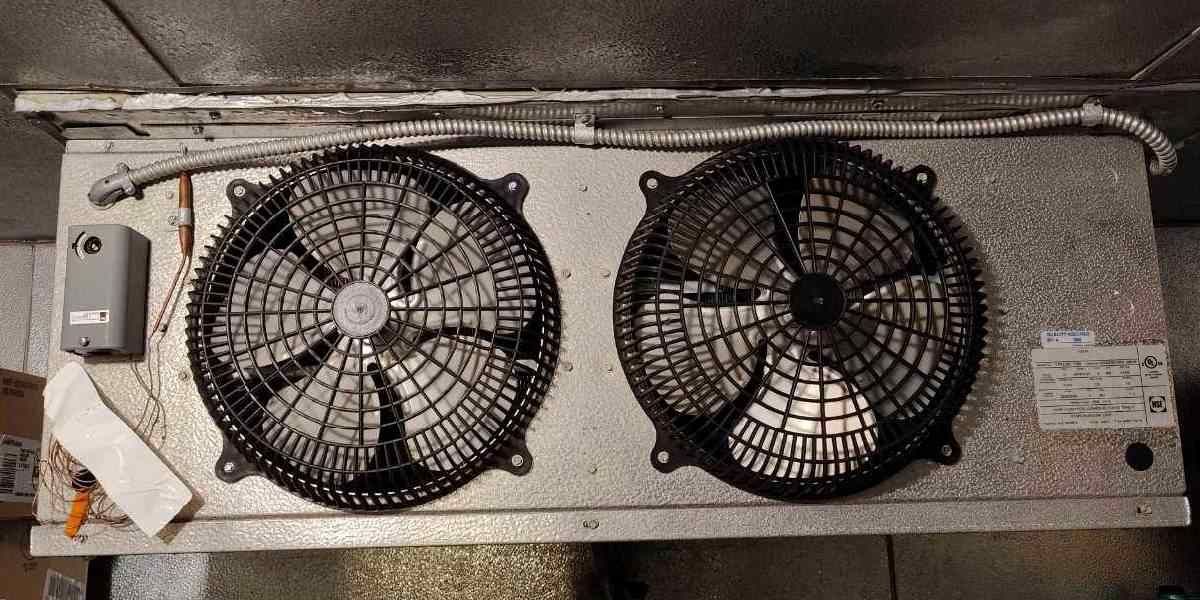
Case Study: Walk-In Cooler & Walk-In Freezer Replacement at a Hotel in Schaumburg

At Tadam Tech, we take pride in providing reliable and efficient refrigeration solutions for commercial businesses. Recently, we completed a major project at a hotel in Schaumburg, replacing both a walk-in cooler and a walk-in freezer. This project presented unique challenges, but our team successfully delivered a solution tailored to the client’s needs.

Walk-In Cooler: From Diagnosis to Replacement

The hotel’s walk-in cooler had completely stopped working, disrupting their operations. After our initial assessment, we explored the possibility of repairs but discovered that the equipment was too old and beyond restoration. We recommended a complete replacement, and the client agreed.

Our Process:

  1. Equipment Selection & Procurement
    We carefully selected new equipment that would meet the hotel’s cooling requirements. Thanks to our efficient procurement process, we had the equipment delivered within a week of client approval.
  2. Removal & Installation
    • Demolition: The old unit was dismantled and removed with care to avoid disruption to the hotel’s operations.
    • Condensing Unit Installation: The new condensing unit was installed with precision to ensure efficient cooling.
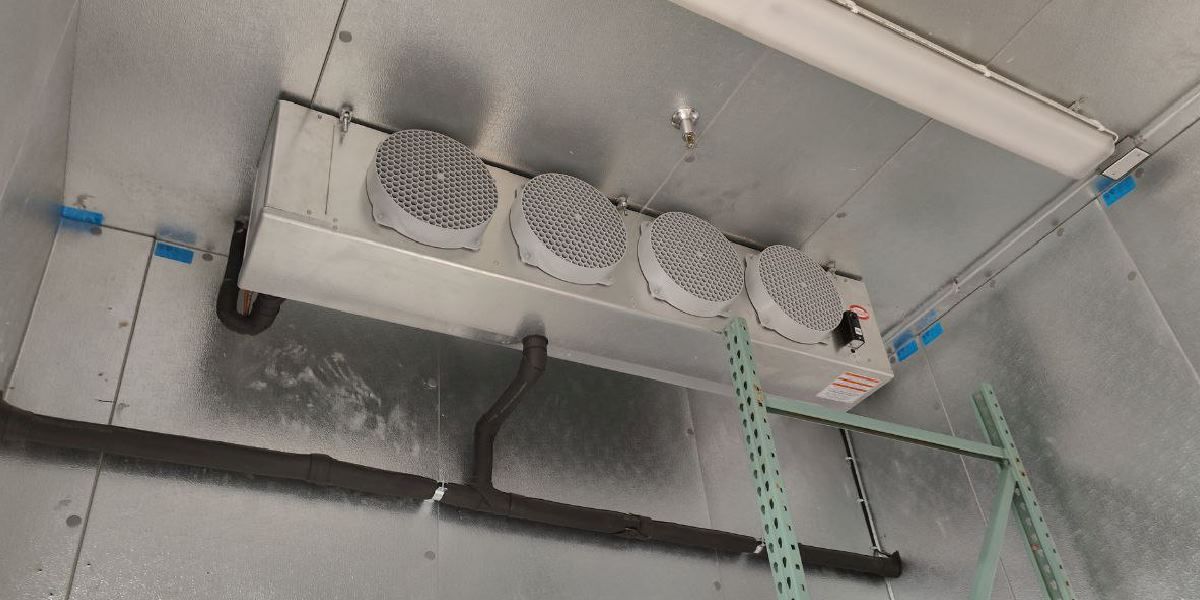
    • Evaporator Installation: The evaporator was positioned for optimal airflow and performance.
  3. Refrigerant Handling
    • Evacuation of Refrigerant: We evacuated the system to remove contaminants and prepare for the new refrigerant.
    • Charging Refrigerant: The appropriate refrigerant was charged into the system, and levels were carefully monitored.
    • Pressure Testing: A thorough pressure test ensured there were no leaks or system irregularities.
  4. Tight Space Challenges
    Commercial kitchens often have limited space, and this installation was no exception. Our technicians worked meticulously to complete the job efficiently and safely.
  5. Performance Testing
    After installation, we monitored the system to ensure the cooler reached and maintained the required temperature. Once we were satisfied with the results, we handed over the fully operational system to the client.

Walk-In Freezer: A More Complex Challenge

The walk-in freezer presented a different issue—it struggled to maintain the low temperatures required for frozen storage. Unlike the cooler, freezers require more robust equipment to handle extreme conditions.

Our Process:

The replacement process was similar to that of the cooler but involved installing higher-capacity equipment to meet the freezer’s more demanding requirements.

  1. High-Capacity Equipment Installation
    • We selected powerful condensing and evaporator units to ensure consistent low-temperature performance.
  2. Efficient Replacement
    • Working within the same tight conditions, our team efficiently removed the old system and installed the new components, including refrigerant evacuation, charging, and thorough pressure testing.
  3. Performance Testing
    • We tested the system rigorously to confirm it could consistently maintain freezing temperatures, ensuring the equipment was fully operational and reliable.

The Result: Reliable Refrigeration Solutions

Both the walk-in cooler and freezer are now fully operational, providing the hotel with reliable, efficient refrigeration systems. The client was delighted with the results, and we’re proud to have delivered another successful project that supports their business operations.


If your business is facing refrigeration challenges or requires expert assistance, we’re here to help. Contact Tadam Tech today for professional, reliable solutions that keep your equipment running smoothly!

Call us at 331-308-4899. We serve Chicago and the northwest suburbs, including Schaumburg, Barrington, Arlington Heights, Palatine, Elk Grove Village, Des Plaines, Mount Prospect, and more.

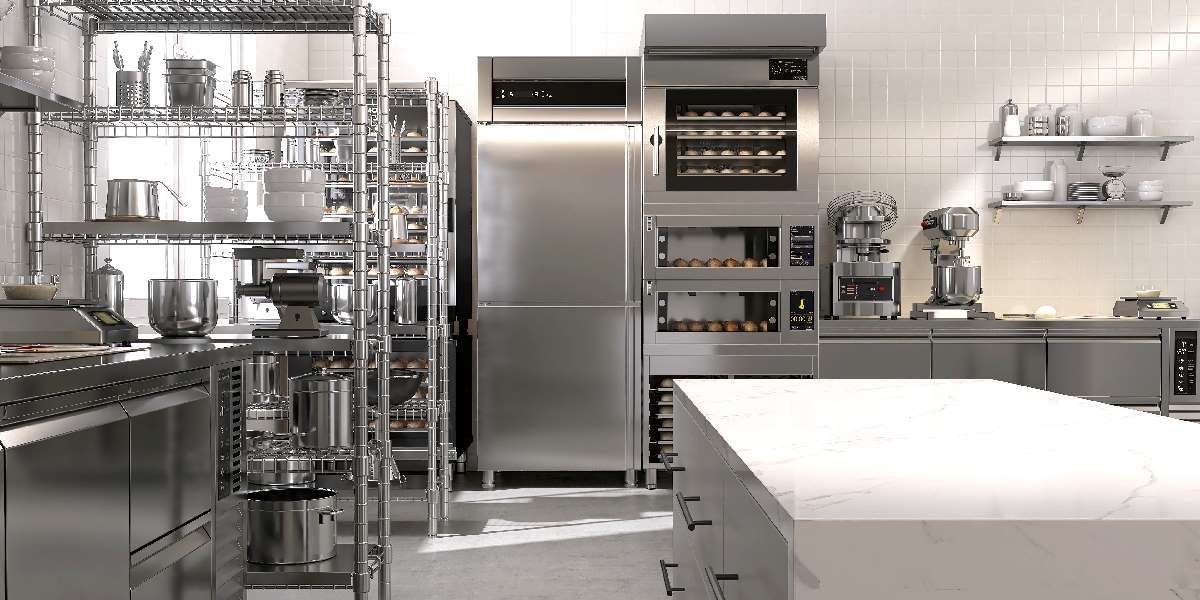
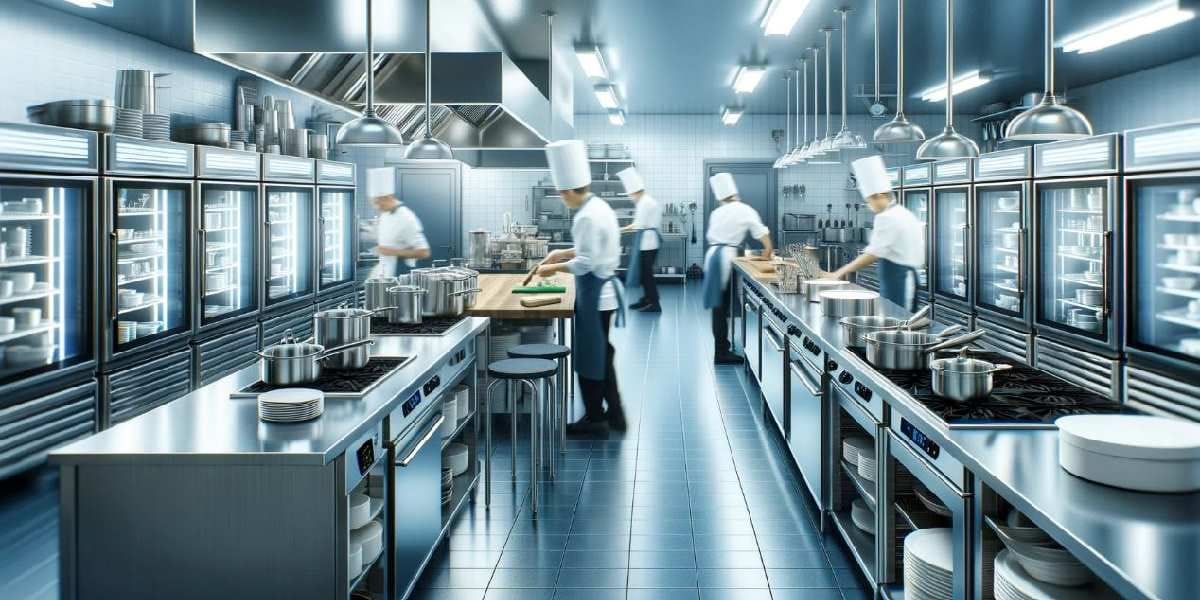
Modern commercial kitchen with stainless steel refrigerators, ovens, and mixers that require regular maintenance to ensure optimal performance

When to Repair and When to Replace Commercial Refrigeration or Kitchen Equipment? Our Expertise


For any business, especially restaurants, hotels, and supermarkets, commercial equipment plays a critical role in daily operations. From commercial refrigeration systems to ice machines and kitchen equipment, these devices ensure smooth workflow, efficiency, and customer satisfaction. However, over time, even the best equipment can experience wear and tear, leading to breakdowns. At this point, business owners face a tough decision: Should you repair the equipment, or is it time to replace it?

The answer depends on several factors, including the condition of the equipment, its age, the cost of repairs, and operational efficiency. In this article, we will draw from our extensive experience in commercial equipment repair to provide practical advice on making the right decision for your business.


When is Repair the Right Option?

Repairing equipment can often be the more cost-effective and time-efficient solution compared to replacement. For commercial refrigeration systems, ice machines, ovens, and other essential kitchen equipment, a timely repair can extend the lifespan of your equipment and save you from the significant investment required to purchase new devices. Here are some key factors to consider when opting for repair:

  1. Age of the Equipment: If your equipment is relatively new and has been in use for less than five years, repairs are often the best choice. For newer refrigerators, ice machines, or kitchen ovens, fixing a malfunctioning part can restore full functionality without the need for costly replacement.
  2. Type of Breakdown: Some issues are easier to fix than others. For instance, replacing a compressor in a walk-in freezer, fixing an ice machine’s water filter, or addressing a malfunctioning control panel in a commercial oven are repairs that can be done quickly and affordably.
  3. Cost of Repair: A general rule of thumb is that if the cost of repair is less than 50% of the price of a new unit, it is more economical to repair the equipment. This is particularly true for large appliances such as commercial refrigeration systems or kitchen ranges, where replacement costs can be substantial.
  4. Downtime Considerations: In a busy commercial environment, time is money. Repairing equipment is often faster than sourcing, purchasing, and installing a new unit. For instance, fixing an ice machine that’s crucial to daily operations is usually quicker than replacing it, which minimizes disruption to your business.
  5. Availability of Parts: If spare parts for your equipment are readily available, repairs can be done quickly and efficiently. For well-maintained units, like refrigerators or prep tables, replacing a worn-out part can be a straightforward fix.

When is Replacement the Better Option?

While repairs are often the first choice for businesses wanting to extend the life of their commercial equipment, there are situations where replacement is the smarter investment. With advancing technology and changing market dynamics, new equipment may sometimes offer better performance or long-term cost savings. However, one important consideration is the quality of modern equipment compared to older models. Here’s what to keep in mind when considering replacing your equipment:

1. Age and Wear of the Equipment

Older equipment—especially those built a decade or more ago—tends to have been manufactured with greater durability. Commercial refrigerators, freezers, and kitchen equipment from previous generations were often made from more robust materials and were designed to last for decades. However, as manufacturers have shifted towards mass production and lower-cost components, newer models might not have the same lifespan.

If your equipment is nearing the end of its designed lifespan and has undergone several repairs, it might be time to replace it. For example, a refrigeration unit that’s over 15 years old or an oven that has needed frequent repairs in the past couple of years may be more prone to failures. In such cases, the cost and frequency of repairs will likely outweigh the benefits of keeping the unit running.

2. Increasing Costs of Repairs

As equipment ages, repair costs tend to increase. This is due to several factors, including the rising cost of parts and labor, as well as the challenge of sourcing replacement parts for outdated models. If the repair cost exceeds 50% of the cost of a new unit, replacement becomes a better long-term solution. For example, replacing a commercial ice machine or kitchen stove may have a higher initial cost, but you’ll benefit from reduced maintenance expenses and increased efficiency over time.

3. Decreased Performance and Efficiency

Another sign that it’s time to replace equipment is a noticeable drop in performance. Ice machines that no longer produce ice at the required rate, refrigerators that struggle to maintain the correct temperature, or ovens that fail to heat evenly may indicate that internal components are wearing out. While some of these issues can be fixed, older equipment is generally less energy-efficient, leading to higher utility bills.

Modern commercial equipment, though sometimes perceived as less durable, often comes with improved energy efficiency ratings. Upgrading to a newer model can help lower operating costs, saving you money in the long term. For example, replacing an old refrigeration system with an energy-efficient model can reduce electricity consumption significantly.

4. Outdated Technology and Features

Older equipment may lack features that are now standard in newer models. For instance, modern commercial ovens may come with digital temperature controls, automatic shutoff, or even smart technology that allows for remote monitoring. Upgrading to new equipment can help streamline kitchen operations, improve food safety, and enhance overall workflow efficiency.

5. Frequent Breakdowns and Downtime

If your equipment requires frequent repairs, even minor breakdowns can disrupt your business. A walk-in cooler that fails during peak hours can lead to significant product loss, while a commercial freezer malfunctioning in a busy restaurant kitchen can lead to halted operations. If your equipment has reached a point where repairs are more frequent than smooth operation, it’s time to consider replacing it to ensure reliability.


Is Modern Equipment Less Reliable?

As we mentioned earlier, one of the major factors that impact the decision to replace is the quality of modern equipment. It’s true that many manufacturers today focus on cost-efficiency, which sometimes results in lower-quality materials and shorter lifespans for certain products. In the past, commercial refrigerators, ice machines, and ovens were often built to last 20-30 years or more. Now, many businesses find that new equipment may only last 7-10 years before needing replacement.

That said, not all modern equipment is inferior. Advances in technology, especially in energy efficiency and automation, have made many new models more practical and cost-effective in the short term. The key is to carefully evaluate the quality and reputation of the manufacturer before making a purchase. Choosing reputable brands and ensuring proper installation and maintenance can still result in many years of reliable performance.

Financial Considerations: How to Evaluate the Costs of Repair vs. Replacement

When deciding whether to repair or replace your commercial equipment, it’s essential to assess the financial impact carefully. Here are some key points to help you make an informed decision:

1. Repair Costs vs. Replacement Costs

If the cost of repairing your equipment is more than half of the price of a new unit, replacement is typically the better option. For example, a $2,500 repair on a commercial freezer that costs $4,500 new may not be worth the investment. However, if the repair is under 50% of the replacement cost, especially for newer equipment, repair can be more financially viable.

2. Long-Term Savings with Energy Efficiency

Newer models of refrigeration systems and kitchen equipment often come with better energy efficiency. Though the upfront cost of new equipment might be high, the long-term savings on energy bills can make up for the initial expense. Replacing an outdated ice machine or refrigeration unit with an energy-efficient model could lower your monthly utility costs and reduce your environmental footprint.

3. Downtime and Losses

The financial impact of downtime is another critical factor. If your commercial kitchen equipment breaks down frequently, the associated loss of revenue, spoilage, or customer dissatisfaction can cost your business more than the repair itself. A one-time replacement might be a better investment to ensure consistent operations.

4. Tax Incentives and Depreciation

When you purchase new equipment, you may be eligible for tax deductions, including depreciation over time. Some governments offer tax incentives for upgrading to more energy-efficient appliances, which can offset part of the replacement cost. It’s worth consulting with an accountant or financial advisor to see how new equipment investments can benefit your bottom line.

5. Financing and Leasing Options

Many equipment suppliers offer financing plans or leasing options that make it easier to spread the cost of new equipment over time. This can ease the financial burden of an upfront purchase, making replacement a more accessible option without significantly impacting your cash flow.


Preventative Maintenance: Extending the Lifespan of Your Equipment

One of the best ways to avoid the difficult decision of repair versus replacement is through consistent and proactive preventative maintenance. Regular upkeep of your commercial refrigeration systems, ice machines, and kitchen equipment can significantly extend the lifespan of your assets, improve efficiency, and reduce unexpected breakdowns.

1. Scheduled Inspections

Routine inspections are essential to identifying small issues before they become costly problems. By scheduling regular maintenance checks for your walk-in coolers, freezers, and commercial ovens, you ensure that your equipment is always running at peak performance. Technicians can detect early signs of wear and tear, such as inefficient cooling, leaks, or mechanical noises, and address them before they lead to larger repairs or replacement needs.

2. Cleaning and Component Maintenance

For equipment like ice machines, regular cleaning is crucial. Over time, scale and mineral deposits can build up, leading to inefficiency and even contamination of the ice. Similarly, grease buildup in kitchen stoves and griddles can cause fires or reduce the heating efficiency of the equipment. Routine cleaning, along with replacing worn-out filters and gaskets, helps to keep your equipment safe and functional.

3. Lubrication of Moving Parts

Equipment with mechanical components, such as convection ovens and refrigeration units, benefits from proper lubrication of its moving parts. Ensuring that fans, motors, and other critical components are regularly lubricated reduces friction and wear, which can otherwise lead to overheating or mechanical failure.

4. Replacing Wear-and-Tear Parts Before Failure

By replacing components that are prone to wearing out—such as compressor parts in refrigerators, heating elements in ovens, or water filters in ice machines—before they completely fail, you can prevent significant damage to the entire unit. This approach keeps your equipment running smoothly while avoiding the higher costs associated with emergency repairs or replacements.

5. Tracking Equipment Performance

Implementing a tracking system for your equipment’s performance can help you stay on top of maintenance schedules. Monitoring things like temperature consistency in walk-in coolers, ice production levels in ice machines, or oven heating times allows you to detect any deviation from the norm. This early detection will let you know when maintenance is due or when a part might need to be replaced.


Why Preventative Maintenance Pays Off

Preventative maintenance is an investment in the long-term health of your equipment. Regular servicing will:

  • Reduce overall repair costs by preventing major breakdowns.
  • Extend the lifespan of your equipment, delaying the need for costly replacements.
  • Ensure optimal efficiency, lowering energy consumption and operating costs.
  • Minimize downtime, keeping your business running smoothly with fewer interruptions.

Maintaining a consistent maintenance schedule can save your business thousands of dollars in repair costs and downtime over the years. A well-maintained commercial refrigerator or kitchen oven will serve you for much longer than one that’s neglected, keeping your operations running without costly interruptions.


Conclusion: Professional Commercial Equipment Repair and Maintenance

When it comes to deciding whether to repair or replace your commercial equipment, understanding the balance between cost, efficiency, and downtime is crucial. Repairing your equipment often offers a cost-effective solution, especially when the equipment is relatively new or the issue is minor. However, replacing outdated, inefficient, or frequently breaking down equipment can provide long-term savings, enhanced performance, and peace of mind.

At Tadam Tech, we are experts in diagnosing equipment issues and providing tailored solutions that make sense for your business. Whether it’s a quick repair for your commercial refrigeration systems, a thorough service of your ice machines, or a repair of kitchen equipment, we’re here to ensure that your operations remain seamless and efficient. With our preventive maintenance plans, you can keep your equipment in top shape, extending its lifespan and minimizing costly downtime.

Contact us today to learn more about our professional repair services and how we can help your business thrive.


FAQs

1. How do I know when it’s time to replace my equipment?
You should consider replacing equipment when repair costs exceed 50% of the replacement cost, or if your equipment is consistently breaking down and disrupting your operations.

2. What types of equipment do you service?
We specialize in commercial refrigeration systems, ice machines, kitchen equipment, commercial ovens, and more.

3. How often should I schedule preventative maintenance?
For optimal performance, it’s recommended to schedule preventative maintenance every 6 months, though some high-use equipment may require more frequent checks.

4. How long can I expect commercial refrigeration equipment to last?
With proper maintenance, most commercial refrigeration units can last anywhere from 10 to 15 years, although older, well-made models might last longer.

5. How long does a typical equipment repair take?
The time needed for a repair depends on the issue, but most minor repairs can be completed within a few hours. Major repairs may take longer, depending on the availability of parts and the complexity of the problem.


Increased Risk of Walk-In Cooler and Freezer Malfunctions in Hot Weather: What to Watch For

With the onset of hot weather, the likelihood of malfunctions in walk-in coolers and freezers increases significantly. For businesses that rely on these crucial pieces of equipment, this can mean potential disruptions and costly repairs. Business owners must monitor their equipment closely, pay attention to warning signs, and contact professionals to promptly address any issues.

Why hot weather Increases the risk: higher ambient temperatures force your walk-in coolers and freezers to work harder to maintain the set temperatures. This added strain can lead to more frequent malfunctions, making it crucial to stay vigilant during the summer.

Symptoms to Watch For and the Systems They Affect:

1. Inconsistent Temperatures

Symptoms: Fluctuations in the internal temperature of the cooler or freezer. You might notice that the temperature isn’t stable and constantly varies from the set point.

Affected Systems:

  • Thermostat: An inaccurate or malfunctioning thermostat can cause temperature instability. It may need recalibration or replacement.
  • Insulation: Poor or deteriorating insulation can lead to temperature fluctuations as it fails to keep the cold air in and the warm air out.
  • Cooling System: Issues with the refrigerant levels or the cooling coils can also cause inconsistent temperatures. Ensuring the cooling system is properly maintained can help prevent this issue.
  • Impact: Inconsistent temperatures can compromise the safety of your stored goods, making it vital to address this promptly to avoid spoilage and ensure compliance with health regulations.

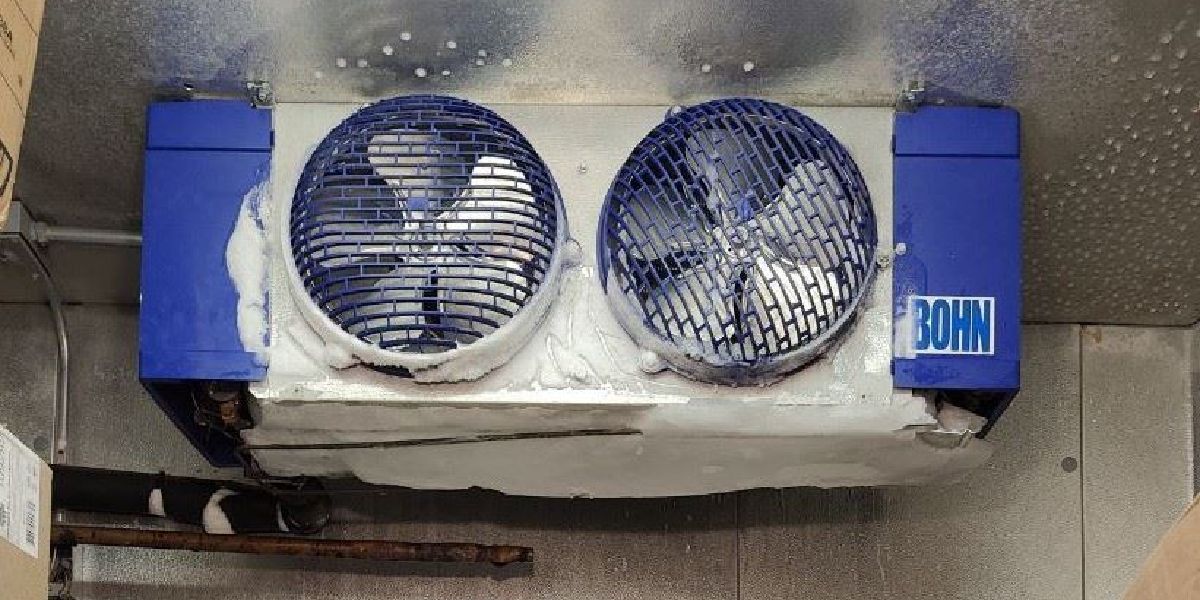
2. Frost Buildup

Symptoms: Excessive frost or ice buildup on the evaporator coils or inside the unit. You might notice thick layers of frost, especially in areas where airflow is supposed to be.

Affected Systems:

Defrost System: A malfunctioning defrost system can lead to frost buildup. Regular defrost cycles are crucial to prevent ice from accumulating.

Door Seals: Damaged or worn-out door seals can allow warm air to enter the unit, causing condensation that freezes and builds up over time.

Impact: Frost buildup can reduce the efficiency of your cooler or freezer, leading to higher energy consumption and potential damage to the unit. It can also obstruct airflow, making it harder for the unit to maintain the desired temperature.

3. Unusual Noises

Symptoms: Strange sounds such as grinding, buzzing, or clicking from the unit. These noises are often louder and more frequent than the normal hum of the cooler.

Affected Systems:

Compressor: Mechanical issues with the compressor, such as worn-out bearings or failing components, can cause unusual noises.

Fans: Problems with the evaporator or condenser fans, like bent blades or motor issues, can also produce strange sounds.

Other Moving Parts: Any moving part within the cooling system can wear out over time, leading to noises that indicate the need for maintenance or repair.

Impact: Ignoring these sounds can lead to major mechanical failures, resulting in costly repairs or the need for complete replacement of the unit.

4. Water Leaks

Symptoms: Puddles of water around the unit or excessive moisture inside. You might find water collecting on the floor or notice damp areas within the cooler.

Affected Systems:

Drainage System: A clogged or damaged drainage system can cause water to back up and leak out of the unit.

Door Seals: Poorly sealing doors can let in warm air, which condenses and creates moisture inside the cooler.

Condensation: Excessive condensation due to high humidity or poor ventilation can also lead to water leaks.

Impact: Water damage can lead to mold growth and structural damage if not addressed. It can also pose a safety hazard in the form of slippery floors.

5. Increased Energy Bills

Symptoms: A noticeable spike in energy costs without any significant change in usage. You might receive higher energy bills even though your operational habits haven’t changed.

Affected Systems:

Cooling System: Inefficiencies in the cooling system, such as dirty coils, low refrigerant levels, or a malfunctioning compressor, can cause the unit to use more energy.

Insulation: Poor insulation can lead to higher energy consumption as the unit works harder to maintain the desired temperature.

Overall Efficiency: General wear and tear on the system can reduce its efficiency, leading to increased energy usage.

Impact: Higher energy bills can indicate that your cooler is not operating efficiently. Regular maintenance can help keep energy costs in check and ensure the unit runs optimally.

6. Compressor Running Constantly

Symptoms: The compressor seems to be running constantly without shutting off. You might notice that the compressor’s usual cycling on and off pattern is disrupted.

Affected Systems:

Thermostat: A faulty thermostat might cause the compressor to run continuously as it tries to reach the set temperature.

Refrigerant Levels: Low refrigerant levels can make the compressor work harder to cool the space, leading to constant running.

Overall System Efficiency: General inefficiencies or issues within the cooling system can cause the compressor to run nonstop.

Impact: A constantly running compressor can overheat and fail if not addressed. This can lead to significant repair costs and potential downtime for your business.

What to do if you notice these symptoms: If you observe any of these symptoms, it’s crucial to act quickly. Ignoring these warning signs can lead to more severe problems and costly repairs. Here are some steps you can take:

Regular Inspections: Regularly inspect your walk-in coolers and freezers to catch issues early.

Professional Maintenance: Schedule routine maintenance with a professional service provider to keep your equipment in top shape.

Prompt Repairs: Don’t delay contacting professionals (like us) to address any malfunctions. Quick intervention can prevent minor issues from escalating.

About Our Business: We specialize in working with businesses to maintain and repair refrigeration and kitchen equipment. With extensive experience servicing restaurants, hotels, grocery stores, senior living facilities, and churches, we understand the critical nature of keeping your commercial kitchen equipment in top working condition. Our team of experts is equipped to handle any issues with your walk-in coolers, freezers, and other essential equipment, ensuring your business runs smoothly and efficiently.

Our Service Area: Chicago and the Northwest Suburbs

Hot weather places additional strain on walk-in coolers and freezers, increasing the risk of malfunctions. By staying vigilant and addressing symptoms promptly, business owners can ensure their equipment operates efficiently and avoid costly disruptions. If you notice any of the warning signs mentioned above, don’t hesitate to contact our team of experts to keep your business running smoothly all summer long.

Tackling an Urgent Freezer Malfunction: A Professional Response (Case study)

The Initial Challenge

It all started with an emergency call from a well-known restaurant in Skokie, Chicagoland. The problem was serious: their walk-in freezer leaked water, threatening food safety and restaurant operations. Upon our arrival, we quickly diagnosed the issue—a faulty heating cable in the drain line that had led to ice formation and subsequent leakage.

Our Solution

Our repair team took swift action. The steps we undertook included:

  • Replacing the faulty heating cable: Essential to prevent future freezing.
  • Defrosting the drain line and drain pan: This ensured that all ice was removed and water could flow freely again.
  • Securing the fan housing: We noticed that the right fan was vibrating intensely due to loose housing; securing this not only resolved the vibrations but also prevented potential future damage.

These repairs took a few hours of focused work, but by the end, the freezer was functioning perfectly, much to the relief of the restaurant staff. The client was thoroughly pleased with the outcome—a crisis averted and operations back to normal.

Continuous Reliability: Further Appliance Repairs

Subsequent Repairs

A couple of months later, the same restaurant faced issues with other pieces of kitchen equipment. The problems were significant and varied:

  • Blodgett Oven: It was not reaching the required temperatures due to a faulty thermostat.
  • Vulcan Tilting Kettle: Electrical issues had rendered it unreliable.

Our Approach

For each appliance, we:

  • Replaced the essential components: This included the thermostat for the oven and wiring fixes for the kettle. Additional parts like the ignition control module and temperature probe sensor were also replaced in the oven.
  • Conducted comprehensive tests: Post-repair, we thoroughly tested each appliance to ensure it met operational standards.

Again, our efforts were met with great satisfaction from the client, who appreciated our thorough and efficient handling of the situation.

Addressing Complex Vulcan Appliance Issues

The Vulcan Braising Pan Dilemma

Soon after, another problem arose; this time, it involved the Vulcan braising pan which was overheating and had an inoperative ignition system.

Solution Implemented

  • Component Replacement: We replaced the malfunctioning thermostat and the burner weldment to address the heating and ignition issues.
  • Systematic Testing: After the repairs, systematic tests were conducted to ensure the pan operated at optimal levels.

Outcome

As with previous instances, the repairs were successful, and the restaurant resumed normal operation with fully functional equipment. Our ability to swiftly and effectively resolve these complex issues impressed the client.

Conclusion: Why Trust Tadam Tech with Your Commercial Appliance Repairs?

Through this series of interventions at a Skokie restaurant, Tadam Tech demonstrated not just the ability to resolve immediate appliance failures but also the expertise to manage ongoing maintenance and unexpected challenges. Our commitment to professionalism, timely service, and customer satisfaction ensures that we are not just service providers but partners to the businesses we serve.

Each repair—from freezers to ovens and kettles—was handled meticulously, emphasizing our versatility in managing various commercial appliance issues. This case study exemplifies our approach: proactive, reliable, and always in line with client needs. For reliable commercial appliance repair solutions that keep your operations running smoothly, look no further than Tadam Tech.

FAQs

  1. What types of commercial appliances can Tadam Tech repair?
  2. How quickly can repairs be conducted?
    • We offer prompt service to ensure your business experiences minimal downtime. Contact us for emergency repairs or scheduled maintenance.
  3. What sets Tadam Tech apart in commercial appliance repairs?
    • Our expert technicians, commitment to quality, and comprehensive service solutions make us leaders in the appliance repair industry.

If your restaurant or business faces similar issues, don’t hesitate to contact Tadam Tech. Our team is ready to bring expertise to your doorstep and ensure your equipment operates flawlessly. Reach out today to schedule a consultation or repair service!

Call us at 224-478-9456!

Before You Call for Help: Quick Fixes for Your Walk-In Cooler Issues

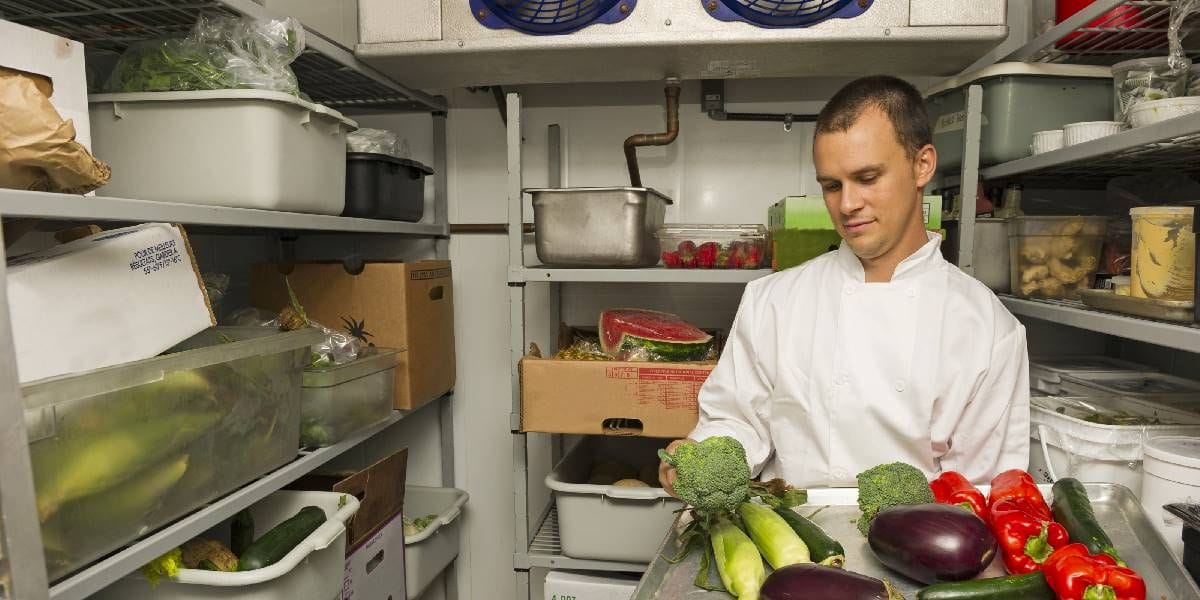
In the fast-paced world of food service, a fully operational walk-in cooler is not just an asset; it’s a necessity. Understanding the basics of cooler maintenance can save you time, preserve food safety, and possibly avoid the need for urgent professional repair services. Here’s how to keep your cooler in optimal condition and what to do when common issues arise.

Understanding Your Walk-In Cooler

A walk-in cooler is an indispensable asset in any commercial kitchen, acting as the cornerstone for food preservation and safety. Far from being a mere oversized refrigerator, it is a sophisticated system that demands a nuanced understanding to ensure it operates at peak efficiency. Here’s a deeper dive into its key components and their roles:

  • Compressor: Often referred to as the heart of the refrigeration system, the compressor’s job is to circulate refrigerant throughout the system. It compresses the refrigerant, raising its temperature, before sending it down to the condenser coils. It’s vital for the cooling process, and any malfunction here can significantly impact the system’s efficiency.
  • Condenser Coils: Located on the outside of the cooler, these coils play a crucial role in dissipating heat away from the refrigerated space. As the high-pressure, hot refrigerant gas flows through these coils, it releases its heat to the surrounding air, cooling down and turning back into a liquid form.
  • Evaporator Coils: Situated inside the cooler, evaporator coils are where the refrigerant absorbs heat from the cooler’s interior, effectively removing warmth and lowering the temperature. The fan blows air over these coils, facilitating the cooling process that keeps the stored food at safe temperatures.
  • Thermostat: This is the brain of the operation, tasked with regulating the temperature inside the cooler. It monitors the interior conditions and signals the compressor to start or stop, maintaining the set temperature range. A properly functioning thermostat is key to ensuring food safety and can help reduce energy consumption by avoiding unnecessary cooling cycles.

Additional Components Worth Noting:

  • Defrost System: Essential for preventing ice buildup on the evaporator coils, which can impede the system’s efficiency and cooling capacity. Some systems defrost automatically, while others may require manual intervention.
  • Door Seals (Gaskets): These ensure a tight seal when the door is closed, preventing cold air from escaping and warm air from entering. Regular inspection and cleaning, or replacement if they are worn out, can lead to substantial energy savings and maintain the cooler’s effectiveness.
  • Drainage System: Proper drainage is crucial to avoid water accumulation inside the cooler, which can lead to slippery floors and mold growth. Ensuring the drainage system is clear and functioning can prevent these issues.

Routine Maintenance Checks

Emphasizing regular maintenance not only safeguards your walk-in cooler against unexpected breakdowns but also optimizes its performance, ensuring that your inventory remains in prime condition. This practice not only enhances the lifespan of your equipment but also contributes to significant energy savings over time. Delving deeper into the essentials:

  • Cleaning the Coils: The compressor and condenser coils are critical to your cooler’s ability to expel heat. Over time, these coils can accumulate dust, grease, and debris, which insulate the coils and hinder their efficiency. This not only strains your system, leading to potential overheating but can also elevate your energy costs due to decreased efficiency. A bi-monthly cleaning schedule is advisable for most environments, although kitchens with higher levels of airborne grease may require more frequent attention.
  • Inspecting Door Seals: The gaskets around your walk-in cooler’s door ensure a tight seal, which is crucial for maintaining internal temperatures and preventing energy waste. Regular inspections for cracks, gaps, or brittleness can help catch issues early. A simple test involves closing the door on a piece of paper; if the paper slides out easily, it’s time to replace the seals. This not only keeps the cold air inside where it belongs but also prevents the unit from working harder than necessary, thus saving on wear and tear as well as energy costs.
  • Monitoring Temperature: Accurate temperature control is pivotal for food safety and quality. Using a standalone thermometer can provide a second point of verification against the cooler’s built-in thermostat, which may become less accurate over time. This dual-check system allows you to catch any discrepancies early and adjust accordingly. Ideally, you should log temperature readings at least twice a day to monitor for any significant changes that could indicate a developing issue.

Additional Maintenance Practices:

  • Checking the Fan and Motor: The evaporator fan is essential for circulating cold air throughout the cooler. Listen for any unusual noises and check for any signs of wear or damage. Ensuring these components are in good working order helps maintain consistent temperatures and prevents hot spots.
  • Drain Lines and Pans: Regularly check the drain lines and pans for clogs or accumulation of debris. Blocked drain lines can lead to water pooling inside the unit, creating slip hazards and potentially damaging the cooler’s interior.
  • Electrical Connections and Controls: Inspect all electrical connections for signs of wear, corrosion, or damage. Tighten any loose connections and replace any worn parts. Additionally, verify that all controls are functioning correctly and settings are appropriate for your cooling needs.
  • Professional Calibration: Annually, it’s wise to have a professional technician calibrate the thermostat and inspect the refrigeration system. This ensures that all components are functioning efficiently and can help identify issues before they lead to major repairs.

Troubleshooting Common Issues

Effective troubleshooting can often prevent minor issues from escalating into major problems, ensuring your walk-in cooler operates efficiently and reliably. Here’s an expanded guide on addressing some common issues:

1. Inconsistent Temperature

A stable temperature is crucial for preserving food quality and safety. If fluctuations occur:

  • Reevaluate Thermostat Settings: Incorrect settings are often culprits. Verify that the thermostat is not only set correctly but also functioning properly. If in doubt, a recalibration or replacement may be necessary.
  • Seal Integrity Check: Worn or damaged door seals are common issues that can lead to significant energy loss and temperature inconsistency. Perform the dollar bill test: close the door on a dollar bill; if you can pull it out easily, the seal needs replacing.
  • Airflow Management: Overstocking can restrict internal airflow, leading to hot spots and cooling inefficiencies. Organize contents to ensure free air circulation, and avoid placing items directly against the evaporator coils.

2. Strange Noises

Noises are often the first sign of mechanical issues:

  • Identify and Isolate: Determine the noise source. A rattling from the fan might simply be a loose cover or debris interference, while a humming or clicking from the compressor could indicate more serious concerns.
  • Fan Maintenance: Dust and debris can accumulate on fan blades, leading to imbalance and noise. Regular cleaning and inspection for damage can prevent this. Also, ensure all mounting screws are tight to avoid vibration noise.
  • Compressor Health: The compressor is vital and complex. Noise can signal overload or failing components. If basic external checks don’t reveal the cause, professional diagnostic tools may be needed to assess internal compressor health.

3. Ice Build-Up

Ice accumulation is a sign of cooling system distress:

  • Defrost Functionality: Automatic defrost cycles are standard in modern units. If ice builds up, ensure the defrost timer and heater are operational. Manual defrosting is a temporary solution but seek to rectify the automatic function.
  • Evaporator Coil Inspection: A frosted-over evaporator can’t absorb heat efficiently, leading to ice formation. This could be due to airflow issues, a malfunctioning fan, or a refrigerant problem.
  • Door Seal Effectiveness: Besides affecting temperature, faulty door seals can allow moist air into the cooler, exacerbating ice buildup. Assess and replace seals as needed to maintain a dry, controlled environment inside the cooler.

Additional Tips:

  • Refrigerant Levels: Low refrigerant can lead to inadequate cooling and ice buildup on the evaporator coils. This usually requires a professional to recharge the system and check for leaks.
  • Thorough Cleaning: Sometimes, the simplest issues like dirt and grime buildup can cause significant problems. Regular cleaning of all accessible parts of the cooler can prevent many common issues.
  • Professional Inspection: If these troubleshooting steps don’t resolve the issue, it may be time for a comprehensive check by a refrigeration specialist. Complex problems, such as refrigerant leaks or electrical faults, require professional expertise to diagnose and repair safely and effectively.

By systematically addressing these common issues, you can often restore your walk-in cooler to optimal operation without the immediate need for professional intervention. However, recognizing when to call in experts is just as important to prevent further damage and ensure food safety.

When to Seek Professional Help

Navigating the maintenance of your walk-in cooler involves a delicate balance between DIY fixes and recognizing when to call in the experts. Despite the best efforts to troubleshoot common problems, certain situations require professional intervention to prevent further damage, ensure safety, and maintain compliance with health regulations. Here’s an expanded look at scenarios where seeking professional help isn’t just advisable—it’s essential:

Electrical Issues

Electrical problems can range from minor issues like a blown fuse to more serious concerns such as short circuits or malfunctioning control units. These issues not only pose a risk to the functionality of your cooler but also present significant safety hazards, including the risk of fire. If you notice flickering lights, an unresponsive thermostat, or the cooler suddenly losing power, it’s crucial to disconnect the unit from power and contact a professional immediately. Trained technicians can safely diagnose and repair electrical problems, ensuring your system complies with all safety standards.

Significant Leaks

Water or refrigerant leaks not only impact the efficiency of your cooler but can also lead to structural damage and create slip hazards. While condensation around the cooler is normal, pooling water or the smell of refrigerant indicates a more serious issue. Refrigerant leaks, in particular, require immediate attention from a certified professional who can safely repair the leak, recharge the system, and dispose of any hazardous materials following environmental regulations.

Complete Failure to Cool

If your walk-in cooler stops cooling entirely, it indicates a significant failure within the refrigeration cycle. This could be due to compressor failure, a significant refrigerant leak, or a critical system blockage. In such cases, time is of the essence to prevent food spoilage and loss. Professional refrigeration technicians have the tools and expertise to quickly diagnose the root cause and implement the necessary repairs or replacements, minimizing downtime for your business.

Recurring Issues

Occasionally, a cooler may exhibit recurring problems despite repeated attempts to fix them. This cycle of breakdowns and repairs can be frustrating and costly in the long run. A professional technician can offer a comprehensive assessment of your cooler’s condition, identifying underlying issues that aren’t immediately apparent and recommending long-term solutions, which may include system upgrades or replacements.

Professional Preventive Maintenance

Beyond addressing immediate repairs, establishing a routine maintenance schedule with a professional service can prevent many of the issues that lead to emergency calls. These services include detailed inspections, thorough cleaning of components not easily accessible, system optimization, and preemptive parts replacement, all of which contribute to the longevity and reliability of your walk-in cooler.

While understanding the basics of walk-in cooler maintenance can empower you to handle minor issues, recognizing the signs that professional help is needed will save you time and protect your investment in the long run. Partnering with Tadam Tech a reputable refrigeration repair service ensures that when complex problems arise, you have expert support ready to restore your cooler’s performance and protect your business’s operational efficiency.

Our Service Area: Chicago and the Northwest Suburbs

The Ultimate Guide to Commercial Refrigeration Maintenance: Saving Money and Preventing Breakdowns

In the fast-paced world of commercial kitchens and retail, the reliability of your refrigeration system isn’t just about keeping things cool—it’s about ensuring the success and efficiency of your business. With this ultimate guide to commercial refrigeration maintenance, brought to you by the experts at Tadam Tech, you’ll learn how to keep your systems in top shape, save money, and avoid those dreaded breakdowns.

Understanding Your Refrigeration System

Before diving into maintenance tips, it’s crucial to understand the components of your commercial refrigeration system. At the core, these systems are designed to remove heat from a designated space and keep your goods at the perfect temperature. Here’s a breakdown of the components that play a vital role in your operation:

  • Compressor: The heart of the refrigeration system, the compressor circulates refrigerant throughout the system, increasing its pressure and temperature to facilitate heat exchange.
  • Condenser Coils: Located on the outside of the unit, condenser coils release the heat absorbed from your goods into the surrounding air. These coils need to be clean and unobstructed to function efficiently.
  • Evaporator Coils: Situated inside the refrigeration unit, these coils absorb heat from the interior space, cooling down the air and your products. The refrigerant inside these coils is then sent back to the compressor to continue the cooling cycle.
  • Expansion Valve: This component regulates the flow of refrigerant into the evaporator coils. It reduces the pressure of the refrigerant, allowing it to expand and cool before it enters the evaporator.
  • Thermostat: The thermostat monitors the temperature inside the refrigeration unit and signals the compressor to start or stop to maintain the desired temperature setting.
  • Fans: Fans help circulate air over the condenser and evaporator coils to ensure efficient heat exchange. They also help maintain a consistent temperature throughout the interior space.

From walk-in coolers, which are essential for storing large volumes of perishable goods, to reach-in refrigerators and commercial ice makers, each of these components works together to ensure your operation runs smoothly. Keeping them in good condition through regular maintenance is key to preventing breakdowns and ensuring the longevity of your refrigeration system.

Regular Cleaning is Key

Dust and debris are the enemies of efficiency. Regularly cleaning the coils and fan blades can significantly improve your system’s performance and extend its lifespan.

  • Tip: Schedule monthly cleanings and keep an eye out for any buildup that could hinder airflow.

Optimal Temperature Settings

Maintaining the correct temperature is critical for food safety and energy efficiency. Regularly monitor and adjust settings according to manufacturer recommendations and seasonal changes.

  • Tip: Invest in a high-quality thermometer to keep an eye on internal temperatures.

Optimal Temperature Ranges

  • Walk-In Coolers: For most perishable goods stored in walk-in coolers, the ideal temperature range is between 35°F (1.7°C) and 38°F (3.3°C). This range is cold enough to keep food safe without risking freezing.
  • Reach-In Refrigerators: Similar to walk-in coolers, reach-in refrigerators should maintain a temperature between 35°F (1.7°C) and 38°F (3.3°C). It’s essential to check that the temperature is consistent throughout the unit, as variations can occur based on usage and stocking.
  • Commercial Freezers: To safely store frozen goods and prevent the growth of bacteria, commercial freezers should operate at 0°F (-18°C) or below. This temperature ensures that food remains safely frozen, preserving its quality and safety.
  • Commercial Ice Makers: While ice makers inherently operate at freezing temperatures to produce ice, maintaining the surrounding environment at no higher than 70°F (21°C) ensures optimal ice production and energy efficiency.

The Importance of Professional Inspections

While routine cleaning and checks can be handled in-house, professional inspections are invaluable for identifying potential issues before they become costly problems. Here are some key problems that professional inspections can reveal:

  1. Wear and Tear on Components: Over time, parts within refrigeration units, such as compressors, evaporators, and fans, can suffer from wear and tear. A professional technician can identify parts that are nearing the end of their lifespan and recommend replacements or repairs to prevent sudden failures.
  2. Refrigerant Leaks: Refrigerant, the substance responsible for cooling the air within your refrigeration unit, can leak due to loose fittings or holes in the refrigeration lines. These leaks not only reduce the efficiency of your unit but can also pose health risks. Professional inspections can detect these leaks early, ensuring they are promptly sealed or repaired.
  3. Electrical Issues: Refrigeration units are complex electrical appliances. Professional inspections can uncover hidden problems like faulty wiring, poor connections, or malfunctioning control units that could lead to more significant issues if left unchecked.
  4. Inefficient Operation: Sometimes, a refrigeration unit may be running, but not as efficiently as it could be. This inefficiency can result from a variety of issues, such as blocked air filters, incorrect temperature settings, or aging insulation. A professional can diagnose these problems and suggest solutions to improve efficiency, which can significantly reduce energy costs.

Proactive Replacements and Repairs

Wear and tear on components like motors, fans, and thermostats are inevitable. Proactively replacing parts before they fail can save you from unexpected downtime and loss of stock.

  • Tip: Keep a log of maintenance and replacements to track the health of your system.

Educate Your Staff

A well-informed team can be your first line of defense against refrigeration issues. Training staff on basic maintenance tasks and signs of trouble can help catch issues early.

  • Tip: Regular training sessions and clear, accessible guides can empower your staff to contribute to your refrigeration system’s upkeep.

Maintaining your commercial refrigeration system is a continuous commitment that pays off in the long run. Regular care and professional expertise ensure your operations run smoothly, your products stay fresh, and your business thrives.

Common Issues with True Commercial Refrigerators: Troubleshooting Guide

Welcome to our comprehensive troubleshooting guide for common issues with True commercial refrigerators. As a trusted provider of professional appliance repair services, we understand the importance of keeping your commercial refrigeration units in optimal condition. In this guide, we will address the most frequent problems that can arise with True commercial refrigerators and provide you with practical solutions to help you troubleshoot and resolve these issues effectively. Whether you’re a restaurant owner, a caterer, or a food service professional, this guide will equip you with the knowledge you need to keep your True commercial refrigerators running smoothly.

Refrigerator Not Cooling Properly

One of the most common issues with True commercial refrigerators is inadequate cooling. When your refrigerator fails to maintain the desired temperature, it can compromise the freshness and safety of your stored food items. Here are some troubleshooting steps to address this issue:

  • Checking the Temperature Settings
  • Assessing Air Circulation and Ventilation
  • Inspecting the Evaporator Coils
  • Verifying the Condenser Fan Functionality
  • Examining the Door Seals and Gaskets

Excessive Frost or Ice Build-up

Another frequent problem encountered with True commercial refrigerators is the accumulation of excessive frost or ice. This can hinder the proper functioning of the refrigerator and increase energy consumption. To tackle this issue, follow these troubleshooting steps:

  • Defrosting the Refrigerator
  • Inspecting the Defrost Heater and Timer
  • Checking the Defrost Thermostat
  • Verifying the Functionality of the Defrost Control Board
  • Clearing Any Obstructions in the Drainage System

Water Leakage from the Refrigerator

Water leakage can be a frustrating issue with True commercial refrigerators, potentially causing damage to the surrounding area and affecting the performance of the unit. Here’s what you can do to troubleshoot and resolve water leakage problems:

  • Identifying the Source of the Leakage
  • Inspecting the Water Inlet Valve
  • Examining the Drain Pan and Drain Tube
  • Clearing Clogged Drain Lines
  • Checking the Door Gaskets for Proper Sealing

Unusual Noises and Vibrations

If your True commercial refrigerator is generating strange noises or vibrations, it could indicate an underlying problem that requires attention. Here are the troubleshooting steps to address this issue:

  • Assessing the Leveling and Stability of the Refrigerator
  • Verifying the Condition of the Evaporator Fan Motor
  • Inspecting the Condenser Fan Motor
  • Checking for Loose or Faulty Components
  • Cleaning and Maintaining the Refrigeration System

Error Codes and Malfunctioning Display

True commercial refrigerators often come equipped with sophisticated control panels and displays. If you encounter error codes or malfunctioning displays, these troubleshooting steps can help you diagnose and resolve the issue:

  • Understanding the Meaning of Error Codes
  • Resetting the Control Panel
  • Verifying Power Supply and Connections
  • Checking for Faulty Sensors or Wiring
  • Seeking Professional Assistance if Needed

FAQs (Frequently Asked Questions):

Q: How often should I clean the condenser coils of my True commercial refrigerator?

A: Cleaning the condenser coils of your True commercial refrigerator is an essential maintenance task. It is recommended to clean the condenser coils at least twice a year or more frequently in environments with high levels of dust or grease. Regular cleaning prevents the accumulation of dirt and debris, allowing the refrigerator to operate efficiently and prevent potential cooling problems.

Q: Can I perform repairs on my True commercial refrigerator myself, or should I hire a professional?

A: While some minor repairs and troubleshooting tasks can be done by individuals with adequate knowledge and experience, it is generally advisable to hire a professional for True commercial refrigerator repairs. True commercial refrigerators are complex systems and incorrect repairs can lead to further damage or void warranties. Professional appliance repair technicians have the expertise and specialized tools to accurately diagnose issues and carry out repairs safely.

Q: Are there any specific maintenance tasks I should regularly perform to prevent common issues with True commercial refrigerators?

A: Yes, regular maintenance plays a crucial role in preventing common issues with True commercial refrigerators. Here are some key maintenance tasks to perform:

  1. Clean the interior and exterior surfaces regularly.
  2. Check and replace the door gaskets if they show signs of wear or damage.
  3. Ensure proper airflow by keeping vents and air passages clear.
  4. Regularly inspect and clean the evaporator and condenser coils.
  5. Monitor and adjust temperature settings as needed.
  6. Clean and clear drainage lines and pans to prevent water leakage.
  7. Regularly inspect electrical connections and cords for any signs of damage.

By incorporating these maintenance tasks into your routine, you can prolong the lifespan of your True commercial refrigerator and reduce the likelihood of encountering common issues.

Q: What are the signs that indicate a failing compressor in a True commercial refrigerator?

A: The compressor is a vital component of a True commercial refrigerator, and its failure can lead to significant cooling issues. Here are some signs that indicate a failing compressor:

  1. Inconsistent or inadequate cooling of the refrigerator.
  2. Unusual clicking or buzzing noises coming from the compressor area.
  3. Excessive vibration or shaking of the refrigerator.
  4. The refrigerator frequently cycles on and off.
  5. Increased energy consumption without any apparent cause.
  6. Noticeable oil leaks near the compressor.

If you observe any of these signs, it is crucial to have your True commercial refrigerator inspected by a professional technician to diagnose and address the issue promptly.

Q: How long can I expect my True commercial refrigerator to last before major repairs are necessary? A: The lifespan of a True commercial refrigerator can vary depending on several factors, including usage, maintenance, and model quality. However, with proper care and maintenance, a True commercial refrigerator can typically last anywhere from 10 to 15 years before major repairs become necessary. Regular maintenance, timely repairs, and adhering to the manufacturer’s guidelines can help extend the lifespan of your True commercial refrigerator and minimize the need for major repairs.

Remember, if you have any specific concerns or require professional assistance with your True commercial refrigerator, it is always best to consult with a qualified appliance repair service to ensure the best possible outcome.