Do you have an emergency?

phone icon Call Us Now +1 (847) 232-4770
Ice cream machine

How Regular Maintenance Can Save You Thousands on Ice Cream Machine Repairs

Commercial ice cream machines are essential for cafes, restaurants, and dessert shops—especially during peak season. But when your machine stops working, it’s more than an inconvenience. It can mean lost revenue, disappointed customers, and expensive emergency repairs.

At Tadam Tech, we repair and maintain ice cream machines across the Greater Chicago Area. But today, we’re not just here to talk about what we do—we’re here to show how proper daily care and scheduled maintenance can save you thousands over the lifetime of your machine.


1. Daily Care Starts with You: What Every Ice Cream Machine Owner Should Be Doing

Most commercial ice cream machines are designed for daily use, but they rely on regular cleaning, inspection, and part replacement by the operator.

Manufacturers like Taylor, Carpigiani, Stoelting, and Electro Freeze clearly state in their manuals:
To keep your machine working properly, you must follow a set maintenance routine, including:

  • Daily cleaning of the mix hopper, dispensing head, and freezing chamber
  • Weekly sanitizing to prevent bacterial buildup and biofilm
  • Periodic replacement of scraper blades, o-rings, seals, and gaskets
  • Proper lubrication of moving parts to reduce friction and extend wear life
  • ✅ Monitoring consistency, texture, and freezing performance

Skipping or rushing these steps leads to breakdowns—and we see it often. Dried mix can clog lines. Lack of lubrication can destroy seals. Ignoring warnings from the control panel? That’s a costly failure waiting to happen.

The good news? Doing your part can prevent most common issues.


2. Why In-House Care Isn’t Always Enough

Even the most diligent operators will reach a point where home maintenance isn’t enough. Here’s why:

  • ❌ Internal refrigerant components (like the condenser or expansion valve) are sealed and require specialized tools
  • ❌ Over time, bacteria or scale can build up inside components you can’t access safely
  • ❌ Electrical and control systems need periodic inspection and testing
  • ❌ Small performance issues (like longer freeze cycles) may go unnoticed until the machine fails entirely

That’s where professional maintenance fills the gap. It’s not a replacement for daily cleaning—it’s the next layer of protection for your investment.


3. The Cost of Waiting: What Breakdowns Really Cost

Let’s break it down:

  • Lost weekend sales during peak season? That’s hundreds, maybe thousands in missed revenue.
  • A failed compressor or drive motor? That’s $1,200–$1,800 in parts and labor.
  • Health department fines for unsanitary conditions? Even more.

And when you factor in emergency service fees, spoiled product, and reputation damage, the real cost of skipping maintenance becomes clear.


4. What Professional Maintenance Includes (and Why It Matters)

Our preventative maintenance service for ice cream machines is designed to do what your daily care can’t. During a visit, we typically:

  • 🔧 Deep-clean internal and refrigerant components
  • 🔧 Inspect and clean condenser coils
  • 🔧 Test pressure, refrigerant levels, and internal sensors
  • 🔧 Calibrate temperature and consistency settings
  • 🔧 Sanitize mix lines and inspect for bacteria or buildup
  • 🔧 Check belts, motors, and electrical systems for signs of wear
  • 🔧 Replace or recommend replacement for worn gaskets, o-rings, or scraper blades

This helps catch small problems early, restore energy efficiency, and extend the working life of your equipment.


5. Maintenance Is an Investment, Not a Cost

Compared to repairs, preventative maintenance is extremely affordable. In most cases:

  • ✅ You avoid breakdowns that cost $1,000+
  • ✅ Your machine runs more efficiently, saving energy
  • ✅ You extend the lifespan of parts like motors and compressors
  • ✅ Your staff spends less time troubleshooting
  • ✅ Your customers get a consistently high-quality product

When your ice cream machine works well, you sell more, waste less, and stress less.


6. Schedule Maintenance Before the Rush

Summer is coming. That means more customers—and more pressure on your machines. Most failures happen during high-volume usage, and service delays during peak season are common.

Spring is the best time to service your equipment, especially if it’s been more than six months since your last check-up.


Conclusion: A Clean, Maintained Machine Is a Profitable Machine

Owning a commercial ice cream machine means more than plugging it in and pressing “start.” It means taking care of it—every day, and every season.

At Tadam Tech, we’re not just repair technicians—we’re your long-term partner in equipment care. Whether you need help with seasonal maintenance, a deep clean, or a diagnostic inspection, our team is here to keep your machine running at its best.

We proudly serve restaurants, dessert shops, schools, and cafés across the Greater Chicago Area, including Schaumburg, Highland Park, Palatine, Lake Forest, and more.

👉 Ready to get ahead of summer?
Explore our Ice Cream Machine Repair & Maintenance Services or call us to schedule your service (224) 478-9456.


FAQs – Ice Cream Machine Maintenance

Q1: Can daily cleaning prevent all problems?
Daily cleaning is essential, but not enough. Internal parts, sensors, and refrigerant systems require professional attention at least twice a year.

Q2: How often should I replace gaskets or scraper blades?
It depends on usage, but most manufacturers recommend replacing blades and gaskets every 3–6 months.

Q3: What brands do you service?
We work with all major brands including Taylor, Carpigiani, Electro Freeze, Stoelting, Donper, and others.

Q4: What happens during a professional maintenance visit?
We deep-clean hidden components, check refrigerant and electrical systems, sanitize lines, calibrate performance settings, and ensure everything runs smoothly.

Types of Ice Cream and Frozen Dessert Machines We Repair and Maintain

We work with a wide range of equipment, including:
Soft serve machines (single-flavor, dual-flavor, and twist)
Frozen yogurt machines
Gelato machines
Milkshake and frozen beverage machines
Batch freezers and custard machines

Whether your shop is artisan or high-volume, our technicians provide expert care to keep your frozen dessert equipment running reliably all season long.

Ice machine repair

Ice Machine Problems That Cost You Money (And How to Avoid Them)

Commercial ice machines are essential for keeping food and beverages safe and professional in restaurants, cafes, schools, healthcare facilities, and more. But when an ice machine malfunctions, it can affect service quality, lead to waste, and cause safety risks.

At Tadam Tech, we specialize in expert ice machine repair and preventative maintenance across the Greater Chicago Area. In this guide, we’ll cover the most common ice machine problems we see in real-world practice—and how to fix them fast and professionally.


1. Ice Machine Not Making Ice at All

When your ice machine stops making ice entirely, it’s a red flag that something critical is wrong. This is the most common issue we see in the field, and it can be caused by a variety of mechanical, electrical, or environmental problems.

Possible Causes:

  • Clogged or Dirty Water Filter. A blocked water filter can restrict or completely stop the flow of water into the machine. This prevents the ice-making cycle from even starting. Over time, filters can accumulate sediment, minerals, or biofilm, especially in areas with poor water quality.
  • Low Water Pressure or No Water Supply. If your facility has low incoming water pressure or if there’s a disruption in the water line (like a closed valve or frozen pipe), the machine may not receive enough water to start the freezing process. Ice machines typically require a minimum PSI (pounds per square inch) to function properly.
  • Faulty Water Inlet Valve. The inlet valve controls water flow into the ice-making chamber. If it’s malfunctioning or blocked, the machine won’t fill properly, leading to zero ice output.
  • Compressor or Electrical Failure. The compressor is the heart of the refrigeration cycle. If it fails—or if there are issues with relays, sensors, or the control board—the system won’t cool enough to freeze the water. This is more common in older machines or those that haven’t had regular maintenance.
  • Faulty Bin Thermostat or Full Bin Switch. Some machines stop making ice if they think the bin is full—even when it’s empty. This could be due to a malfunctioning bin sensor or thermostat.

What to Do:

  • Check that the unit is plugged in and receiving power.
  • Verify water supply and pressure.
  • Inspect the water filter—if it’s been over 6 months, it’s time to replace it.
  • Call a certified technician to check the inlet valve, control board, and compressor.

A full diagnostic is key. At Tadam Tech, we start with the basics and run full electrical and water-flow tests to locate the root cause fast—minimizing downtime and saving product.


2. Ice Machine Leaking Water

Water leaks can go unnoticed until they create major problems—like water damage, mold growth, or even electrical hazards.

Common Causes:

  • Clogged Drain Line Ice machines regularly melt unused ice, which drains out. If the drain is clogged with scale, debris, or slime, water can back up and leak from the unit.
  • Cracked or Frozen Water Lines Water supply lines can crack or freeze, especially in colder climates or poorly insulated buildings. These small cracks may drip slowly or lead to major leaks.
  • Faulty Pump or Overflow Condition Some models have an internal pump to manage meltwater. If it fails or the float switch malfunctions, you might see puddles on the floor.
  • Improper Leveling or Installation If the machine isn’t level or the drain line is installed against gravity, water can pool inside the machine and spill over.

Why It Matters:

Leaks pose a safety hazard, especially in kitchens where slip-and-fall accidents can occur. They can also result in corrosion, short circuits, or contamination of your ice.

Our Approach:

We check the full drainage system, supply line, and pump, clear out any blockages, and reseal joints or tubing. We also verify that your ice machine is installed on level ground with proper clearance for airflow and drainage.


3. Thin or Cloudy Ice

If your customers are served small, cloudy, or misshapen cubes, it’s not just an aesthetic issue—it usually points to inefficient performance.

Possible Causes:

  • Low Water Flow or Pressure Without steady water pressure, the machine can’t fill the evaporator tray fully, leading to thin or incomplete ice cubes.
  • High Mineral Content in Water (Hard Water) Minerals like calcium and magnesium in untreated water cause cloudiness in ice. Over time, they also build up on the evaporator plate and water lines, reducing efficiency.
  • Incorrect Freeze Cycle Timing or Control Malfunctions If the freeze cycle ends too early, ice won’t be dense. Conversely, if the harvest cycle is off, the machine may eject partially formed cubes.
  • Dirty Evaporator Plate A coated or scaled-up evaporator doesn’t conduct heat properly, preventing full ice formation.

Fixes:

  • Clean or replace the water filter.
  • Descale internal components with ice machine cleaner.
  • Adjust freeze/harvest cycle settings.
  • In hard water areas, consider installing a water softener or pre-treatment system.

4. Dirt, Debris, or Floating Particles in Ice

If your ice has visible specks, black streaks, or a slimy texture, it’s a sign of internal contamination.

Causes:

  • Bacterial or mold buildup in the ice bin or water lines.
  • Outdated or missing water filters that fail to trap impurities.
  • Biofilm formation on evaporator plates or chutes.
  • Improper handling by staff or dirty ice scoops.

Why This Matters:

Serving dirty or contaminated ice poses a major health risk and can ruin your reputation with customers.

Prevention Through Maintenance:

The best way to prevent contamination is through routine ice machine maintenance every six months. This includes:

  • Complete sanitization of the bin and water lines
  • Filter replacement
  • Deep cleaning of the evaporator and ice chute
  • A technician’s inspection to check for mold, algae, or unusual residue

At Tadam Tech, we offer bi-annual preventative maintenance plans tailored for restaurants, schools, healthcare facilities, and more. Preventing buildup ensures clean, safe, crystal-clear ice—every time.

Frequently Asked Questions (FAQs)

Q1: How often should I clean my commercial ice machine?

A: We recommend professional cleaning every 6 months or more frequently in high-volume or hard water areas.

Q2: Why does my ice machine make cloudy ice instead of clear cubes?

A: This is usually caused by mineral deposits or low water flow. A technician can help resolve it with adjustments and descaling.

Q3: Is it normal for ice machines to make noise during operation?

A: Some noise is normal, but loud buzzing, grinding, or knocking could signal mechanical problems.

Q4: How do I know if my ice machine has a refrigerant leak?

A: If the unit is running but not making ice or making very soft cubes, it may have a refrigerant issue that needs professional repair.

Q5: Can I prevent mold from growing in my ice bin?

A: Yes! Regular cleaning, replacing filters, and avoiding hand contact with ice are key to keeping your system sanitary.

Our Expertise in Ice Machine Repair

At Tadam Tech, we have extensive experience servicing all major commercial ice machine brands, including:

  • Hoshizaki
  • Manitowoc
  • Ice-O-Matic
  • Scotsman
  • Koolaire, and more

We offer both emergency repair and preventative maintenance packages to meet the needs of restaurants, hospitality businesses, schools, and healthcare facilities.

Our qualified technicians are trained to diagnose issues quickly, replace faulty components, and make performance-boosting recommendations.

We also repair and maintain a full range of commercial refrigeration and cooking equipment, including:


Our Service Area

We proudly serve the Greater Chicago Area, including but not limited to:

  • Schaumburg
  • Rolling Meadows
  • Palatine
  • Lake Forest
  • Vernon Hills
  • Northbrook
  • South Barrington
  • Highland Park and more

📍 See the full list of areas we cover: Service Areas


Conclusion: Stay Ahead of Ice Machine Problems

Don’t let a small ice machine issue become a costly problem. Regular maintenance, quick response to warning signs, and professional service can keep your equipment running smoothly year-round.

At Tadam Tech, we’re committed to helping you maintain your kitchen’s performance with reliable, affordable service tailored to your business. From ice machines to ovens and coolers, our expert technicians are ready to help.

🔗 Learn more or request service today: Ice Machine Repair Services

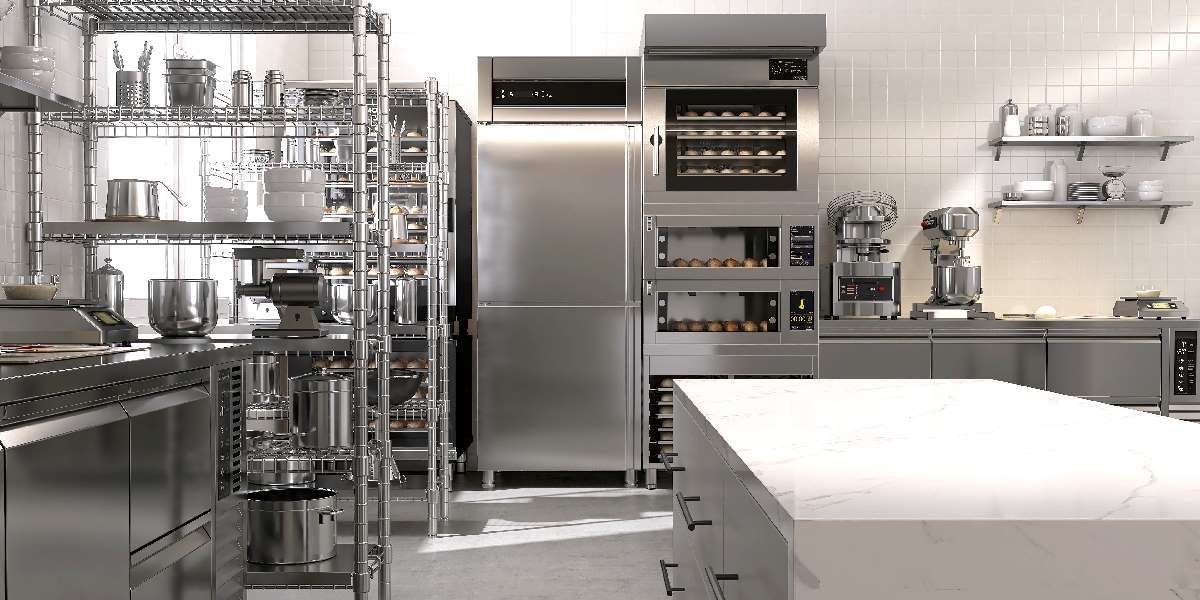
Modern commercial kitchen with stainless steel refrigerators, ovens, and mixers that require regular maintenance to ensure optimal performance

When to Repair and When to Replace Commercial Refrigeration or Kitchen Equipment? Our Expertise


For any business, especially restaurants, hotels, and supermarkets, commercial equipment plays a critical role in daily operations. From commercial refrigeration systems to ice machines and kitchen equipment, these devices ensure smooth workflow, efficiency, and customer satisfaction. However, over time, even the best equipment can experience wear and tear, leading to breakdowns. At this point, business owners face a tough decision: Should you repair the equipment, or is it time to replace it?

The answer depends on several factors, including the condition of the equipment, its age, the cost of repairs, and operational efficiency. In this article, we will draw from our extensive experience in commercial equipment repair to provide practical advice on making the right decision for your business.


When is Repair the Right Option?

Repairing equipment can often be the more cost-effective and time-efficient solution compared to replacement. For commercial refrigeration systems, ice machines, ovens, and other essential kitchen equipment, a timely repair can extend the lifespan of your equipment and save you from the significant investment required to purchase new devices. Here are some key factors to consider when opting for repair:

  1. Age of the Equipment: If your equipment is relatively new and has been in use for less than five years, repairs are often the best choice. For newer refrigerators, ice machines, or kitchen ovens, fixing a malfunctioning part can restore full functionality without the need for costly replacement.
  2. Type of Breakdown: Some issues are easier to fix than others. For instance, replacing a compressor in a walk-in freezer, fixing an ice machine’s water filter, or addressing a malfunctioning control panel in a commercial oven are repairs that can be done quickly and affordably.
  3. Cost of Repair: A general rule of thumb is that if the cost of repair is less than 50% of the price of a new unit, it is more economical to repair the equipment. This is particularly true for large appliances such as commercial refrigeration systems or kitchen ranges, where replacement costs can be substantial.
  4. Downtime Considerations: In a busy commercial environment, time is money. Repairing equipment is often faster than sourcing, purchasing, and installing a new unit. For instance, fixing an ice machine that’s crucial to daily operations is usually quicker than replacing it, which minimizes disruption to your business.
  5. Availability of Parts: If spare parts for your equipment are readily available, repairs can be done quickly and efficiently. For well-maintained units, like refrigerators or prep tables, replacing a worn-out part can be a straightforward fix.

When is Replacement the Better Option?

While repairs are often the first choice for businesses wanting to extend the life of their commercial equipment, there are situations where replacement is the smarter investment. With advancing technology and changing market dynamics, new equipment may sometimes offer better performance or long-term cost savings. However, one important consideration is the quality of modern equipment compared to older models. Here’s what to keep in mind when considering replacing your equipment:

1. Age and Wear of the Equipment

Older equipment—especially those built a decade or more ago—tends to have been manufactured with greater durability. Commercial refrigerators, freezers, and kitchen equipment from previous generations were often made from more robust materials and were designed to last for decades. However, as manufacturers have shifted towards mass production and lower-cost components, newer models might not have the same lifespan.

If your equipment is nearing the end of its designed lifespan and has undergone several repairs, it might be time to replace it. For example, a refrigeration unit that’s over 15 years old or an oven that has needed frequent repairs in the past couple of years may be more prone to failures. In such cases, the cost and frequency of repairs will likely outweigh the benefits of keeping the unit running.

2. Increasing Costs of Repairs

As equipment ages, repair costs tend to increase. This is due to several factors, including the rising cost of parts and labor, as well as the challenge of sourcing replacement parts for outdated models. If the repair cost exceeds 50% of the cost of a new unit, replacement becomes a better long-term solution. For example, replacing a commercial ice machine or kitchen stove may have a higher initial cost, but you’ll benefit from reduced maintenance expenses and increased efficiency over time.

3. Decreased Performance and Efficiency

Another sign that it’s time to replace equipment is a noticeable drop in performance. Ice machines that no longer produce ice at the required rate, refrigerators that struggle to maintain the correct temperature, or ovens that fail to heat evenly may indicate that internal components are wearing out. While some of these issues can be fixed, older equipment is generally less energy-efficient, leading to higher utility bills.

Modern commercial equipment, though sometimes perceived as less durable, often comes with improved energy efficiency ratings. Upgrading to a newer model can help lower operating costs, saving you money in the long term. For example, replacing an old refrigeration system with an energy-efficient model can reduce electricity consumption significantly.

4. Outdated Technology and Features

Older equipment may lack features that are now standard in newer models. For instance, modern commercial ovens may come with digital temperature controls, automatic shutoff, or even smart technology that allows for remote monitoring. Upgrading to new equipment can help streamline kitchen operations, improve food safety, and enhance overall workflow efficiency.

5. Frequent Breakdowns and Downtime

If your equipment requires frequent repairs, even minor breakdowns can disrupt your business. A walk-in cooler that fails during peak hours can lead to significant product loss, while a commercial freezer malfunctioning in a busy restaurant kitchen can lead to halted operations. If your equipment has reached a point where repairs are more frequent than smooth operation, it’s time to consider replacing it to ensure reliability.


Is Modern Equipment Less Reliable?

As we mentioned earlier, one of the major factors that impact the decision to replace is the quality of modern equipment. It’s true that many manufacturers today focus on cost-efficiency, which sometimes results in lower-quality materials and shorter lifespans for certain products. In the past, commercial refrigerators, ice machines, and ovens were often built to last 20-30 years or more. Now, many businesses find that new equipment may only last 7-10 years before needing replacement.

That said, not all modern equipment is inferior. Advances in technology, especially in energy efficiency and automation, have made many new models more practical and cost-effective in the short term. The key is to carefully evaluate the quality and reputation of the manufacturer before making a purchase. Choosing reputable brands and ensuring proper installation and maintenance can still result in many years of reliable performance.

Financial Considerations: How to Evaluate the Costs of Repair vs. Replacement

When deciding whether to repair or replace your commercial equipment, it’s essential to assess the financial impact carefully. Here are some key points to help you make an informed decision:

1. Repair Costs vs. Replacement Costs

If the cost of repairing your equipment is more than half of the price of a new unit, replacement is typically the better option. For example, a $2,500 repair on a commercial freezer that costs $4,500 new may not be worth the investment. However, if the repair is under 50% of the replacement cost, especially for newer equipment, repair can be more financially viable.

2. Long-Term Savings with Energy Efficiency

Newer models of refrigeration systems and kitchen equipment often come with better energy efficiency. Though the upfront cost of new equipment might be high, the long-term savings on energy bills can make up for the initial expense. Replacing an outdated ice machine or refrigeration unit with an energy-efficient model could lower your monthly utility costs and reduce your environmental footprint.

3. Downtime and Losses

The financial impact of downtime is another critical factor. If your commercial kitchen equipment breaks down frequently, the associated loss of revenue, spoilage, or customer dissatisfaction can cost your business more than the repair itself. A one-time replacement might be a better investment to ensure consistent operations.

4. Tax Incentives and Depreciation

When you purchase new equipment, you may be eligible for tax deductions, including depreciation over time. Some governments offer tax incentives for upgrading to more energy-efficient appliances, which can offset part of the replacement cost. It’s worth consulting with an accountant or financial advisor to see how new equipment investments can benefit your bottom line.

5. Financing and Leasing Options

Many equipment suppliers offer financing plans or leasing options that make it easier to spread the cost of new equipment over time. This can ease the financial burden of an upfront purchase, making replacement a more accessible option without significantly impacting your cash flow.


Preventative Maintenance: Extending the Lifespan of Your Equipment

One of the best ways to avoid the difficult decision of repair versus replacement is through consistent and proactive preventative maintenance. Regular upkeep of your commercial refrigeration systems, ice machines, and kitchen equipment can significantly extend the lifespan of your assets, improve efficiency, and reduce unexpected breakdowns.

1. Scheduled Inspections

Routine inspections are essential to identifying small issues before they become costly problems. By scheduling regular maintenance checks for your walk-in coolers, freezers, and commercial ovens, you ensure that your equipment is always running at peak performance. Technicians can detect early signs of wear and tear, such as inefficient cooling, leaks, or mechanical noises, and address them before they lead to larger repairs or replacement needs.

2. Cleaning and Component Maintenance

For equipment like ice machines, regular cleaning is crucial. Over time, scale and mineral deposits can build up, leading to inefficiency and even contamination of the ice. Similarly, grease buildup in kitchen stoves and griddles can cause fires or reduce the heating efficiency of the equipment. Routine cleaning, along with replacing worn-out filters and gaskets, helps to keep your equipment safe and functional.

3. Lubrication of Moving Parts

Equipment with mechanical components, such as convection ovens and refrigeration units, benefits from proper lubrication of its moving parts. Ensuring that fans, motors, and other critical components are regularly lubricated reduces friction and wear, which can otherwise lead to overheating or mechanical failure.

4. Replacing Wear-and-Tear Parts Before Failure

By replacing components that are prone to wearing out—such as compressor parts in refrigerators, heating elements in ovens, or water filters in ice machines—before they completely fail, you can prevent significant damage to the entire unit. This approach keeps your equipment running smoothly while avoiding the higher costs associated with emergency repairs or replacements.

5. Tracking Equipment Performance

Implementing a tracking system for your equipment’s performance can help you stay on top of maintenance schedules. Monitoring things like temperature consistency in walk-in coolers, ice production levels in ice machines, or oven heating times allows you to detect any deviation from the norm. This early detection will let you know when maintenance is due or when a part might need to be replaced.


Why Preventative Maintenance Pays Off

Preventative maintenance is an investment in the long-term health of your equipment. Regular servicing will:

  • Reduce overall repair costs by preventing major breakdowns.
  • Extend the lifespan of your equipment, delaying the need for costly replacements.
  • Ensure optimal efficiency, lowering energy consumption and operating costs.
  • Minimize downtime, keeping your business running smoothly with fewer interruptions.

Maintaining a consistent maintenance schedule can save your business thousands of dollars in repair costs and downtime over the years. A well-maintained commercial refrigerator or kitchen oven will serve you for much longer than one that’s neglected, keeping your operations running without costly interruptions.


Conclusion: Professional Commercial Equipment Repair and Maintenance

When it comes to deciding whether to repair or replace your commercial equipment, understanding the balance between cost, efficiency, and downtime is crucial. Repairing your equipment often offers a cost-effective solution, especially when the equipment is relatively new or the issue is minor. However, replacing outdated, inefficient, or frequently breaking down equipment can provide long-term savings, enhanced performance, and peace of mind.

At Tadam Tech, we are experts in diagnosing equipment issues and providing tailored solutions that make sense for your business. Whether it’s a quick repair for your commercial refrigeration systems, a thorough service of your ice machines, or a repair of kitchen equipment, we’re here to ensure that your operations remain seamless and efficient. With our preventive maintenance plans, you can keep your equipment in top shape, extending its lifespan and minimizing costly downtime.

Contact us today to learn more about our professional repair services and how we can help your business thrive.


FAQs

1. How do I know when it’s time to replace my equipment?
You should consider replacing equipment when repair costs exceed 50% of the replacement cost, or if your equipment is consistently breaking down and disrupting your operations.

2. What types of equipment do you service?
We specialize in commercial refrigeration systems, ice machines, kitchen equipment, commercial ovens, and more.

3. How often should I schedule preventative maintenance?
For optimal performance, it’s recommended to schedule preventative maintenance every 6 months, though some high-use equipment may require more frequent checks.

4. How long can I expect commercial refrigeration equipment to last?
With proper maintenance, most commercial refrigeration units can last anywhere from 10 to 15 years, although older, well-made models might last longer.

5. How long does a typical equipment repair take?
The time needed for a repair depends on the issue, but most minor repairs can be completed within a few hours. Major repairs may take longer, depending on the availability of parts and the complexity of the problem.


The Ultimate Guide to Commercial Refrigeration Maintenance: Saving Money and Preventing Breakdowns

In the fast-paced world of commercial kitchens and retail, the reliability of your refrigeration system isn’t just about keeping things cool—it’s about ensuring the success and efficiency of your business. With this ultimate guide to commercial refrigeration maintenance, brought to you by the experts at Tadam Tech, you’ll learn how to keep your systems in top shape, save money, and avoid those dreaded breakdowns.

Understanding Your Refrigeration System

Before diving into maintenance tips, it’s crucial to understand the components of your commercial refrigeration system. At the core, these systems are designed to remove heat from a designated space and keep your goods at the perfect temperature. Here’s a breakdown of the components that play a vital role in your operation:

  • Compressor: The heart of the refrigeration system, the compressor circulates refrigerant throughout the system, increasing its pressure and temperature to facilitate heat exchange.
  • Condenser Coils: Located on the outside of the unit, condenser coils release the heat absorbed from your goods into the surrounding air. These coils need to be clean and unobstructed to function efficiently.
  • Evaporator Coils: Situated inside the refrigeration unit, these coils absorb heat from the interior space, cooling down the air and your products. The refrigerant inside these coils is then sent back to the compressor to continue the cooling cycle.
  • Expansion Valve: This component regulates the flow of refrigerant into the evaporator coils. It reduces the pressure of the refrigerant, allowing it to expand and cool before it enters the evaporator.
  • Thermostat: The thermostat monitors the temperature inside the refrigeration unit and signals the compressor to start or stop to maintain the desired temperature setting.
  • Fans: Fans help circulate air over the condenser and evaporator coils to ensure efficient heat exchange. They also help maintain a consistent temperature throughout the interior space.

From walk-in coolers, which are essential for storing large volumes of perishable goods, to reach-in refrigerators and commercial ice makers, each of these components works together to ensure your operation runs smoothly. Keeping them in good condition through regular maintenance is key to preventing breakdowns and ensuring the longevity of your refrigeration system.

Regular Cleaning is Key

Dust and debris are the enemies of efficiency. Regularly cleaning the coils and fan blades can significantly improve your system’s performance and extend its lifespan.

  • Tip: Schedule monthly cleanings and keep an eye out for any buildup that could hinder airflow.

Optimal Temperature Settings

Maintaining the correct temperature is critical for food safety and energy efficiency. Regularly monitor and adjust settings according to manufacturer recommendations and seasonal changes.

  • Tip: Invest in a high-quality thermometer to keep an eye on internal temperatures.

Optimal Temperature Ranges

  • Walk-In Coolers: For most perishable goods stored in walk-in coolers, the ideal temperature range is between 35°F (1.7°C) and 38°F (3.3°C). This range is cold enough to keep food safe without risking freezing.
  • Reach-In Refrigerators: Similar to walk-in coolers, reach-in refrigerators should maintain a temperature between 35°F (1.7°C) and 38°F (3.3°C). It’s essential to check that the temperature is consistent throughout the unit, as variations can occur based on usage and stocking.
  • Commercial Freezers: To safely store frozen goods and prevent the growth of bacteria, commercial freezers should operate at 0°F (-18°C) or below. This temperature ensures that food remains safely frozen, preserving its quality and safety.
  • Commercial Ice Makers: While ice makers inherently operate at freezing temperatures to produce ice, maintaining the surrounding environment at no higher than 70°F (21°C) ensures optimal ice production and energy efficiency.

The Importance of Professional Inspections

While routine cleaning and checks can be handled in-house, professional inspections are invaluable for identifying potential issues before they become costly problems. Here are some key problems that professional inspections can reveal:

  1. Wear and Tear on Components: Over time, parts within refrigeration units, such as compressors, evaporators, and fans, can suffer from wear and tear. A professional technician can identify parts that are nearing the end of their lifespan and recommend replacements or repairs to prevent sudden failures.
  2. Refrigerant Leaks: Refrigerant, the substance responsible for cooling the air within your refrigeration unit, can leak due to loose fittings or holes in the refrigeration lines. These leaks not only reduce the efficiency of your unit but can also pose health risks. Professional inspections can detect these leaks early, ensuring they are promptly sealed or repaired.
  3. Electrical Issues: Refrigeration units are complex electrical appliances. Professional inspections can uncover hidden problems like faulty wiring, poor connections, or malfunctioning control units that could lead to more significant issues if left unchecked.
  4. Inefficient Operation: Sometimes, a refrigeration unit may be running, but not as efficiently as it could be. This inefficiency can result from a variety of issues, such as blocked air filters, incorrect temperature settings, or aging insulation. A professional can diagnose these problems and suggest solutions to improve efficiency, which can significantly reduce energy costs.

Proactive Replacements and Repairs

Wear and tear on components like motors, fans, and thermostats are inevitable. Proactively replacing parts before they fail can save you from unexpected downtime and loss of stock.

  • Tip: Keep a log of maintenance and replacements to track the health of your system.

Educate Your Staff

A well-informed team can be your first line of defense against refrigeration issues. Training staff on basic maintenance tasks and signs of trouble can help catch issues early.

  • Tip: Regular training sessions and clear, accessible guides can empower your staff to contribute to your refrigeration system’s upkeep.

Maintaining your commercial refrigeration system is a continuous commitment that pays off in the long run. Regular care and professional expertise ensure your operations run smoothly, your products stay fresh, and your business thrives.